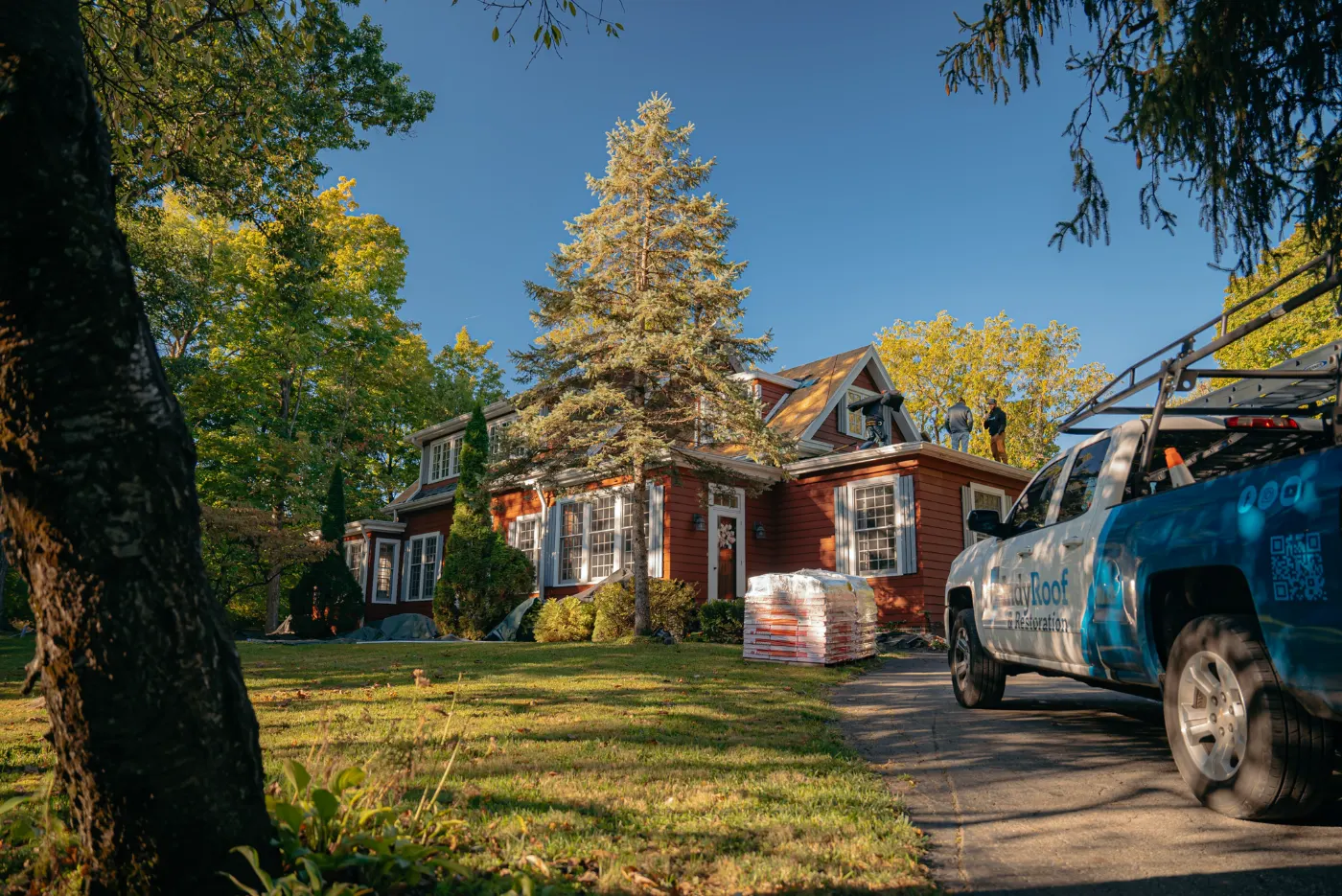
Mold Remediation in Spring Hill, IN
Trusted Mold Remediation for Spring Hill Homeowners Who Want the Problem Fixed Right
Spring Hill Water Restoration provides mold remediation in Spring Hill, IN. IICRC certified crews, scheduled assessment, written scope before work begins. We work with your insurance carrier on approved claims. Call (317) 676-4257 to schedule.
- Service: Mold Remediation for Spring Hill homeowners
- Service area: Spring Hill, IN and surrounding areas
- Response time: Scheduled inspection, typically next business day or sooner
- Licensed and insured (License #RC21100059)
- Serving Spring Hill, IN since 2018
Expert Mold Remediation for Spring Hill Homeowners
Mold growth inside a Spring Hill home is rarely a surprise when you understand what drives it. Indiana's humid summers, freeze thaw cycles in late winter, and the region's heavy spring rainfall create the kind of prolonged moisture conditions that allow mold colonies to take hold behind drywall, under subflooring, and inside wall cavities. Left unaddressed, active mold affects indoor air quality and can compromise structural materials including wood framing, insulation, and drywall over time. Our Team works specifically with Spring Hill homeowners to identify where mold is growing, determine what caused it, and remove it thoroughly using methods that hold up under scrutiny from your insurance carrier and any future home inspection.
Scheduling a mold inspection with Our Team is a straightforward process. Once you reach out, we typically arrange a free assessment for the next business day or sooner, depending on the circumstances of the underlying water event in your Spring Hill home. A licensed crew member visits your property equipped with moisture meters and HEPA capable air sampling tools to get an accurate picture of conditions before any work begins. There is no obligation attached to that first visit. We want you to understand exactly what you are dealing with before committing to a scope of work, and we want the assessment to be thorough enough that nothing gets missed between the initial walkthrough and the start of remediation.
The inspection phase follows the IICRC S520 standard for mold remediation, which is the industry benchmark for assessing and addressing fungal contamination in residential structures. Our licensed crew performs moisture mapping throughout affected areas, using thermal imaging cameras and calibrated moisture meters to locate hidden moisture pockets that the eye alone cannot detect. Every reading is documented so that the remediation plan addresses the actual source of mold growth rather than just the visible surface. This methodology matters in Spring Hill homes where older construction methods and finished basements can hide significant moisture intrusion behind surfaces that appear dry from the outside.
Once the scope is defined, our licensed crew establishes containment around the affected area to prevent spore migration to unaffected rooms during removal. Controlled demolition is performed where necessary, removing compromised drywall, insulation, or other porous materials that cannot be salvaged. HEPA filtration equipment runs continuously throughout the work area to capture airborne particles. Antimicrobial treatments are applied to structural surfaces after removal is complete. Timing varies by scope. A small isolated area in a bathroom or crawl space moves faster than a partially finished basement in one of the Cold Spring Road Estate Properties where water may have traveled across a large footprint before being detected.
Mold remediation tied to a sudden water event is often a covered loss under homeowner policies, and Our Team works with your insurance carrier from the early stages of the project. We coordinate with your adjuster, provide the documentation they need including moisture mapping results and scope of work detail, and communicate clearly throughout the process so nothing falls through the cracks on your Spring Hill claim. Most major insurance carriers distinguish between sudden water events and long term neglect, and that distinction matters when your adjuster is evaluating coverage. We help you present the facts of your loss clearly. You remain responsible for your deductible, works with your insurance carrier.
If you have noticed a musty smell, visible discoloration on walls or ceilings, or a history of water intrusion in your Spring Hill home, the right move is to get a professional assessment scheduled before conditions worsen. Mold problems that are caught early typically cost less to address and cause less disruption to your household. Call Our Team or fill out our contact form to schedule your free mold inspection with no obligation attached. We serve homeowners across Spring Hill and throughout Marion County, and we are ready to assess your property and give you a clear, honest picture of what remediation will involve.
Signs You Need Mold Remediation
If you notice any of these in your Spring Hill home, schedule a free inspection before the issue worsens.
Persistent musty or earthy odor in your Spring Hill basement or crawl space that does not go away after airing out.
Visible dark spotting on drywall, ceiling tiles, or grout lines in bathrooms or laundry areas of your home.
A previous water intrusion event in your Spring Hill home that was dried out but never professionally verified as complete.
Condensation regularly forming on interior walls or window frames during Indiana's cold winter months.
Residents in the home experiencing worsening allergy symptoms, nasal irritation, or respiratory issues with no clear seasonal explanation.
Soft or spongy subfloor or wood framing discovered during a renovation project in a Knoll Condominiums unit.
Discoloration appearing along the base of exterior walls in Cold Spring Road Estate Properties following heavy spring rainfall.
HVAC return or supply registers showing black residue or visible growth on the louvers or surrounding surfaces.
Peeling or bubbling paint on interior walls in rooms adjacent to plumbing fixtures, indicating trapped moisture behind the surface.
Water staining visible on the ceiling below an upstairs bathroom in the Michigan Road Corridor area of Spring Hill that was never fully investigated.
How Spring Hill Water Restoration Handles Mold Remediation
Every job follows the same three-step process. Transparent, thorough, and done right the first time.
Free Mold Assessment Scheduled
A licensed crew member visits your Spring Hill home, typically the next business day or sooner. We walk every affected area, note visible growth, and discuss any water history you are aware of. You receive an honest explanation of what we found and what remediation would involve before any work is authorized or any cost is committed.
Moisture Mapping and Documentation
Using thermal imaging cameras and calibrated moisture meters, our crew maps every zone of elevated moisture across the affected structure. This step follows IICRC S520 guidelines and produces the documentation your insurance adjuster and our remediation team both need to understand the true scope of the problem in your Spring Hill home.
Containment and Controlled Demolition
The affected area is isolated with physical containment barriers before any removal begins. Compromised materials including saturated drywall, insulation, and damaged flooring are removed carefully and bagged for proper disposal. Our licensed crew removes only what cannot be salvaged, which keeps reconstruction costs reasonable for Spring Hill homeowners.
HEPA Filtration and Antimicrobial Treatment
HEPA filtration equipment runs throughout the work area during and after removal to capture airborne spores before they can settle in unaffected spaces. Once surfaces are clear, our crew applies professional grade antimicrobial treatments to structural framing and subfloor materials to inhibit future growth and address residual contamination on salvageable surfaces.
Post Remediation Verification
Before containment comes down, our licensed crew performs a final moisture check across all treated areas. Readings are compared against the baseline moisture map from the inspection phase to confirm that structural materials have returned to acceptable levels. We document the results and provide a clear record for your insurance carrier and your own files.
Mold Remediation in Spring Hill
Photographs from real mold remediation jobs completed by our crew in Spring Hill and surrounding areas.
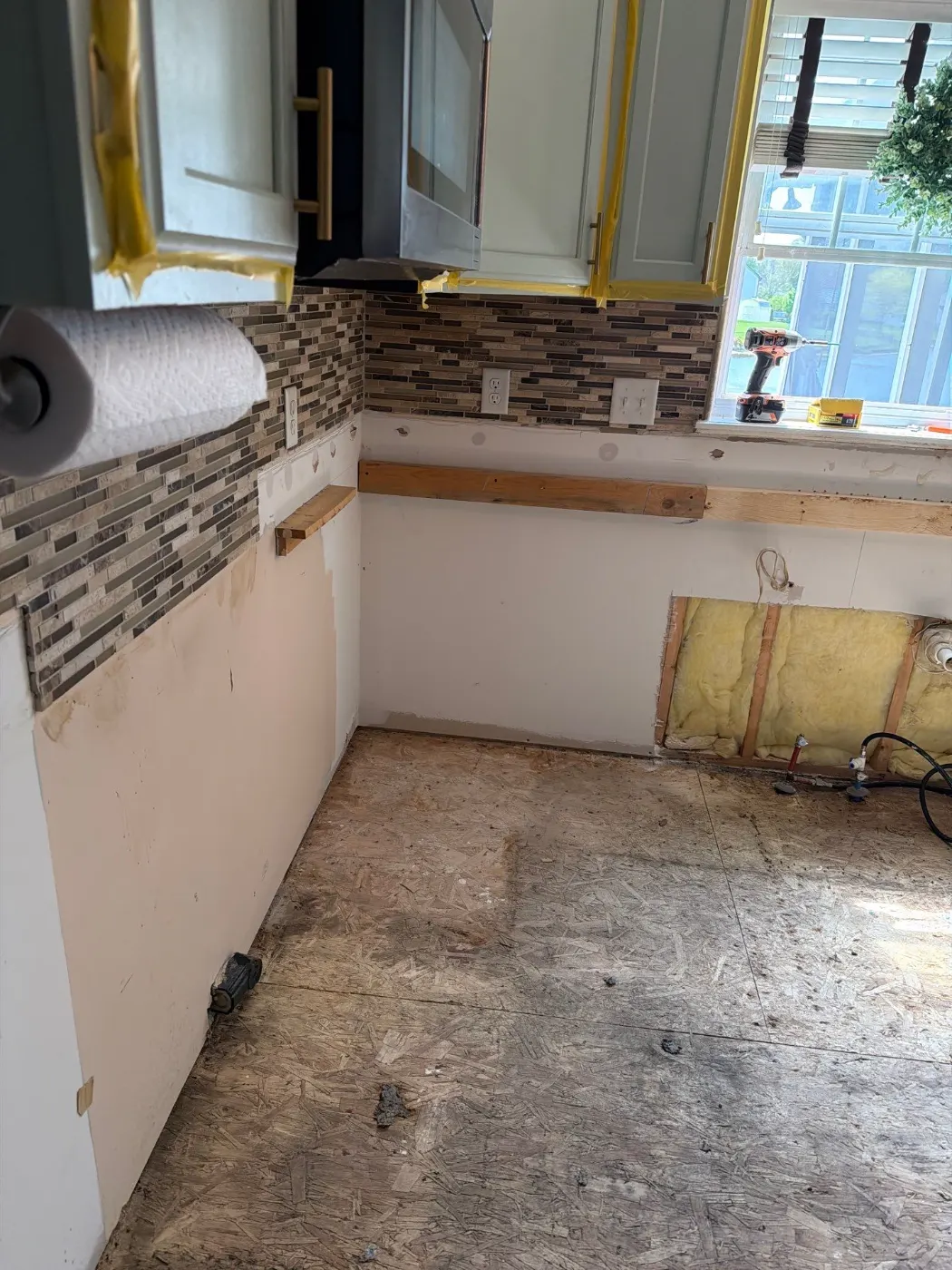
Mold Remediation FAQ
Questions we hear most often from Spring Hill homeowners considering mold remediation.
Other Restoration Services in Spring Hill
Spring Hill Water Restoration handles the full scope of restoration work. Explore our other services below.
Water Damage Restoration in Spring Hill
24/7 emergency response. IICRC certified water restoration from extraction to full dry out.
Learn more →Basement Flooding in Spring Hill
Basement water emergencies handled fast. Extraction, drying, mold prevention.
Learn more →Sewage Cleanup in Spring Hill
Category 3 biohazard cleanup. Full containment, decontamination, structural restoration.
Learn more →Request Mold Remediation
Reach Us Directly
Our team is available 24/7 for emergencies and ready to schedule inspections during business hours.
Need Immediate Help?
For active water, fire, or mold emergencies, call us directly. We are available 24/7.