Storm Damage

Storm Damage in Spring Hill, IN

Spring Hill's Storm Damage Restoration Team, Arriving Within 2 Hours When Every Minute Matters

Call (317) 676-4257Get Free Quote
Quick Answer

Spring Hill Water Restoration provides storm damage in Spring Hill, IN. 24/7 emergency response with IICRC-certified crews. Most claims are covered by homeowner's insurance and we work with your insurance carrier on approved claims. Call (317) 676-4257 for immediate dispatch.

  • Service: Storm Damage for Spring Hill homeowners
  • Service area: Spring Hill, IN and surrounding areas
  • Response time: Within 2 hours response for Spring Hill inquiries
  • Licensed and insured (License #RC21100059)
  • Serving Spring Hill, IN since 2018
Storm Damage Services

Expert Storm Damage for Spring Hill Homeowners

When a severe Indiana thunderstorm tears through Spring Hill, the clock starts the moment rain finds its way inside your home. Wind driven rain forces water under door thresholds and through compromised roof decking. Hail punches holes in soffits. Tornado season, running from April through June, brings the kind of pressure differentials that push water into wall cavities you cannot see. Within hours, what started as a wet floor becomes saturated insulation, swelling subfloor panels, and a structural drying problem that compounds every hour extraction is delayed. Spring Hill homeowners who act fast almost always recover more of their home and spend less doing it. Every hour without extraction expands the damage.

Our team covers Spring Hill and the surrounding Marion County communities with a dispatch protocol built around a single standard: arrival within 2 hours of your call. We do not route your emergency through a call center and we do not leave you waiting until morning. When the crew loads out, they bring commercial water extraction equipment capable of pulling standing water from finished and unfinished spaces, along with commercial dehumidifiers staged for immediate deployment. Whether your loss is in the Knoll Condominiums common areas, a Cold Spring Road Estate property with a finished lower level, or a single family home along the Michigan Road Corridor on the east edge of Spring Hill, our team is moving toward you.

Once on site, our licensed crew begins a full moisture mapping inspection before a single piece of equipment is placed. Thermal imaging cameras reveal hidden moisture migration inside wall assemblies and beneath flooring that visual inspection alone will miss. Calibrated moisture meters confirm saturation levels in wood framing, drywall, and concrete substrates. Every affected surface is logged and documented before the drying plan is written. Our methodology follows IICRC S500 Water Damage Restoration standards, which govern how water category, material classification, and ambient conditions determine the scope of work. This documentation matters for your insurance carrier and it matters for verifying that drying is actually complete before reconstruction begins.

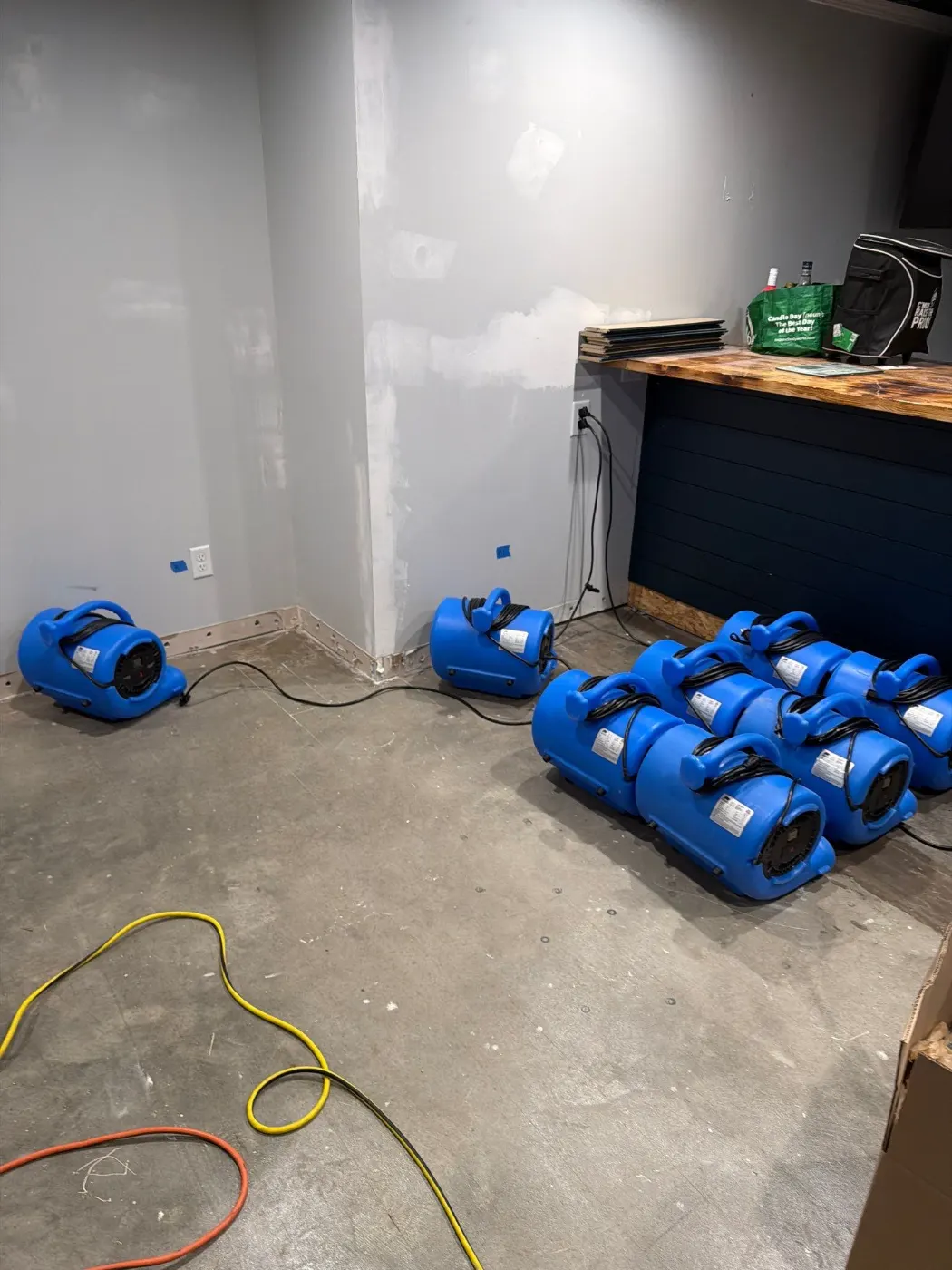
Extraction comes first. Commercial water extraction equipment removes bulk water rapidly, which immediately slows the rate of secondary damage spreading into adjacent materials. Once standing water is cleared, commercial dehumidifiers and professional air movers are positioned according to structural drying calculations based on the cubic footage of the affected area, the material types present, and the current moisture readings. For Category 1 clean water losses such as wind driven rain through a failed window or roof penetration, most Spring Hill homeowners see drying complete within 3 - 5 days. Category 2 losses involving gray water from storm sewer backup or appliance overflow typically run 5 - 7 days. Readings are taken and recorded each visit to confirm progress.

Filing a storm damage claim in Spring Hill does not have to feel like a second job. Our team works with your insurance carrier from the first day, providing the documentation, moisture mapping data, and scope of work that adjusters need to process your claim accurately. Most major insurance carriers cover sudden storm related water intrusion when mitigation is prompt and properly documented. We coordinate with your adjuster directly, walking through what was found, what was done, and why. We do not determine coverage, that is your carrier's role, but we make sure the adjuster receives a complete and professionally documented file. Your deductible is still your responsibility, and we will walk you through what to expect before any work begins.

If you are reading this right now with water on your floor or a ceiling that is sagging from storm intrusion, stop waiting. Call our team for a free inspection with no obligation attached. We serve Spring Hill and Marion County around the clock because storms do not follow business hours. Mold colonizes within 24 to 48 hours in wet materials, and insurance carriers expect prompt mitigation. The sooner extraction starts, the more of your home we can save without controlled demolition. Call now for dispatch within 2 hours and let our licensed crew take it from here.

When to Call

Signs You Need Storm Damage

If you notice any of these in your Spring Hill home, schedule a free inspection before the issue worsens.

Standing water on your Spring Hill home's lower level floor following a severe Indiana thunderstorm.

Ceiling drywall that is bulging, soft to the touch, or showing tea colored staining after a hail event.

Water streaking down interior walls directly after wind driven rain from an April through June storm system.

A musty odor appearing within 24 to 48 hours of storm activity in rooms that were previously dry.

Buckled or spongy hardwood flooring in your Spring Hill home that was dry before the storm.

Visible daylight or displaced roofing materials after high winds move through the Michigan Road Corridor area.

Wet insulation visible in attic spaces or around recessed lighting fixtures following heavy hail.

Sump pit overflow in a Cold Spring Road Estate property basement during a heavy multi inch rainfall event.

Storm sewer backup through a floor drain producing dark or foul smelling water, indicating gray or black water category.

Peeling paint or bubbling wallboard at the Wynnedale Spring Hill border area where older construction meets seasonal storm drainage issues.

Our Process

How Spring Hill Water Restoration Handles Storm Damage

Every job follows the same three-step process. Transparent, thorough, and done right the first time.

1

Emergency Dispatch and Arrival

From your first call, our team targets arrival at your Spring Hill home within 2 hours. We confirm your address, gather initial details about the storm event and visible damage, and load commercial water extraction equipment and commercial dehumidifiers before leaving our staging area. You will know our crew is on the way before you hang up.

2

Moisture Mapping and Inspection

Our licensed crew uses thermal imaging cameras and calibrated moisture meters to map every affected surface before any equipment is placed. This step reveals water migration inside wall cavities, beneath flooring, and above ceiling assemblies that is invisible to the eye. The resulting moisture map drives all decisions about drying scope and equipment placement, following IICRC S500 Water Damage Restoration standards.

3

Water Extraction and Containment

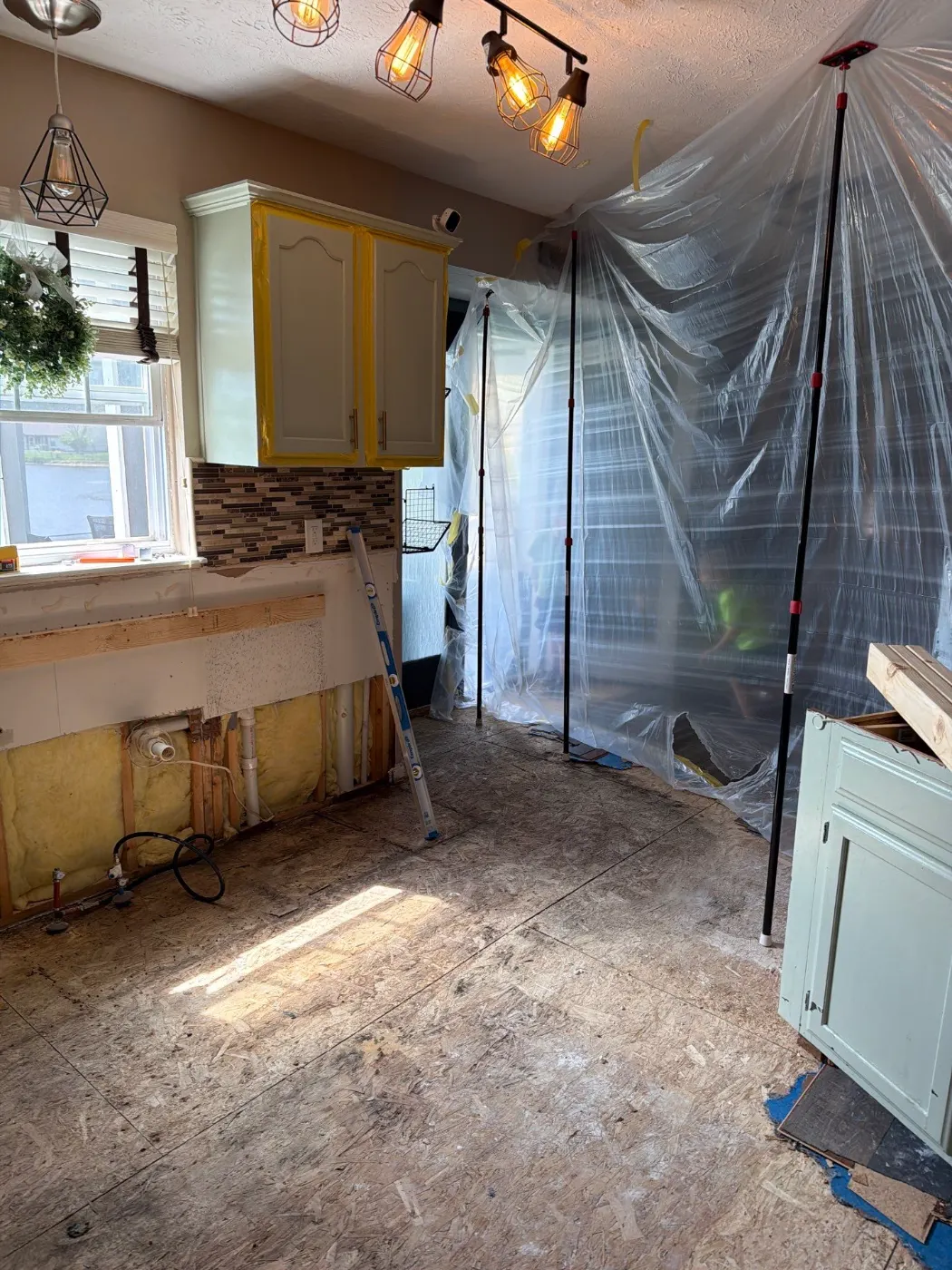
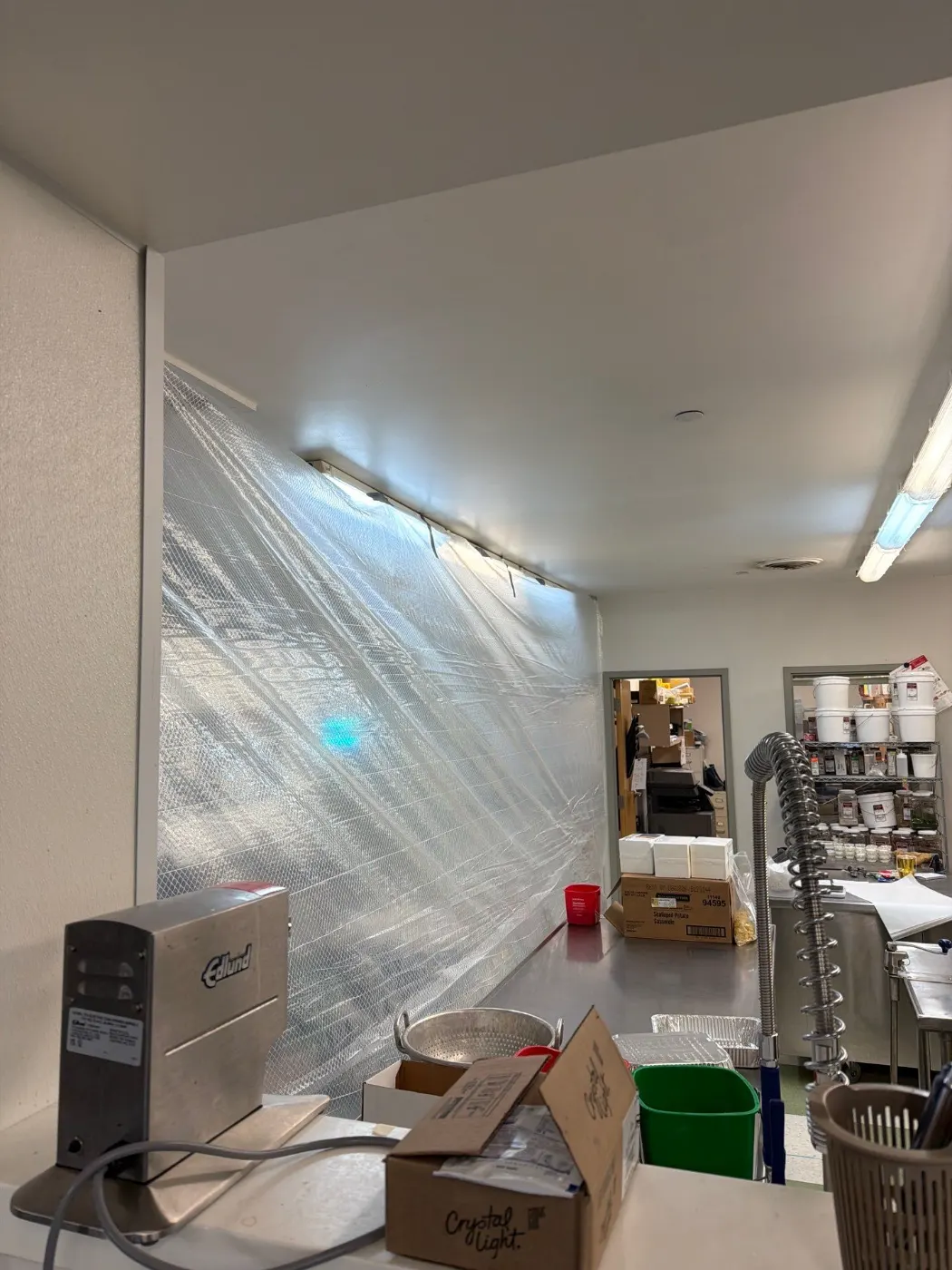
Commercial water extraction equipment removes standing water from all affected areas as the first priority. Where storm damage has introduced Category 2 gray water from sewer backup or Category 3 black water from flood overflow, containment and appropriate personal protective protocols are established before extraction proceeds. Removing bulk water fast is the single most effective action for limiting secondary damage.

4

Structural Drying and Daily Monitoring

Commercial dehumidifiers and professional air movers are positioned based on structural drying calculations tied to room volume, material types, and initial moisture readings. Our team returns each day to record updated readings and adjust equipment placement as drying progresses. Spring Hill homeowners receive clear communication at each visit about where the numbers stand and what remains before the drying phase closes.

5

Post Drying Verification and Scope Handoff

Drying is not declared complete based on time alone. Moisture meter readings must return to pre loss standard reference levels across all mapped points before equipment is removed. A final documented report is prepared for your insurance carrier and adjuster. If structural repairs or reconstruction are needed, our team provides the verified drying record and a clear scope so repairs can begin without delay.

Real Project Photos

Storm Damage in Spring Hill

Photographs from real storm damage jobs completed by our crew in Spring Hill and surrounding areas.
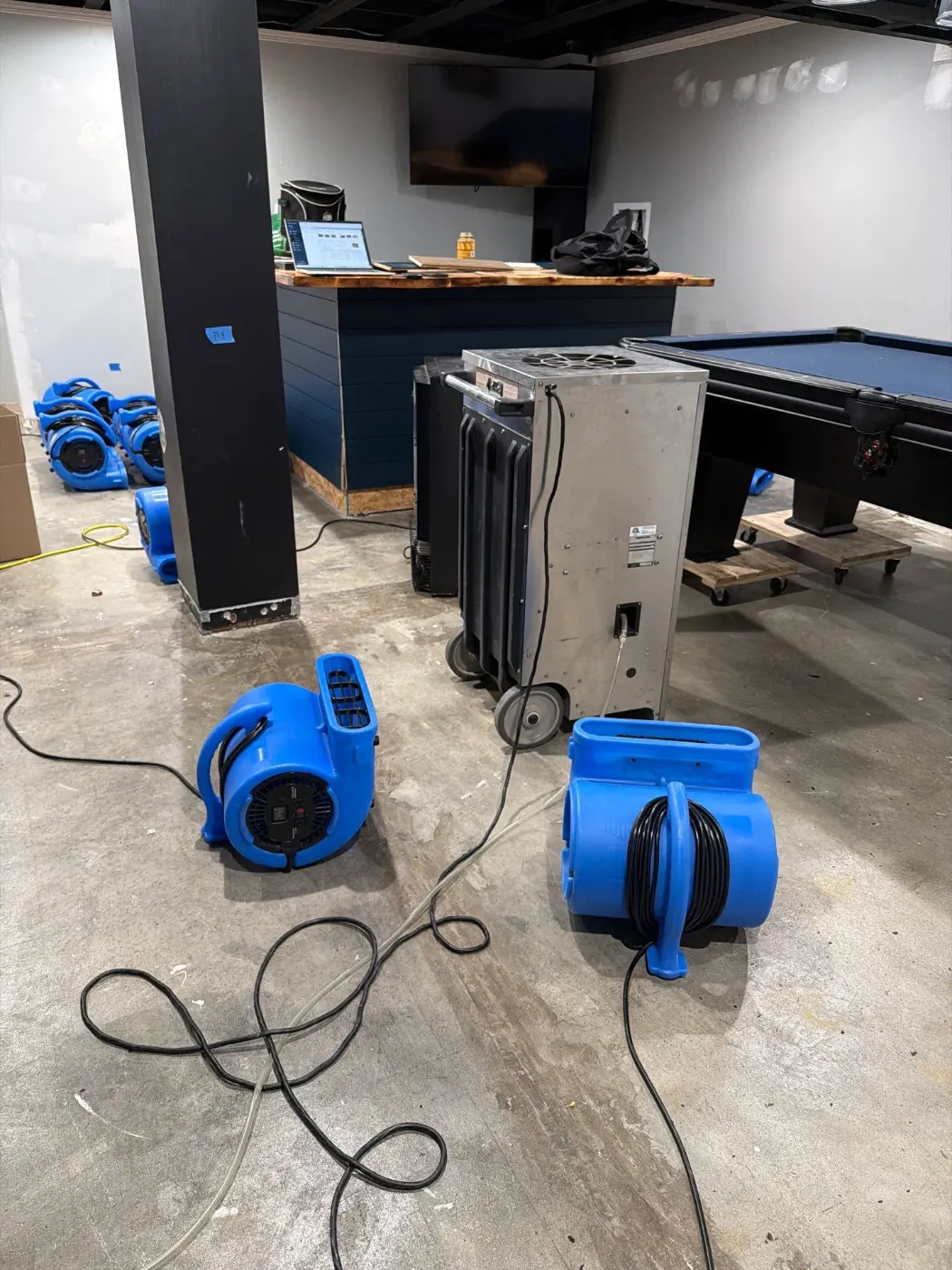
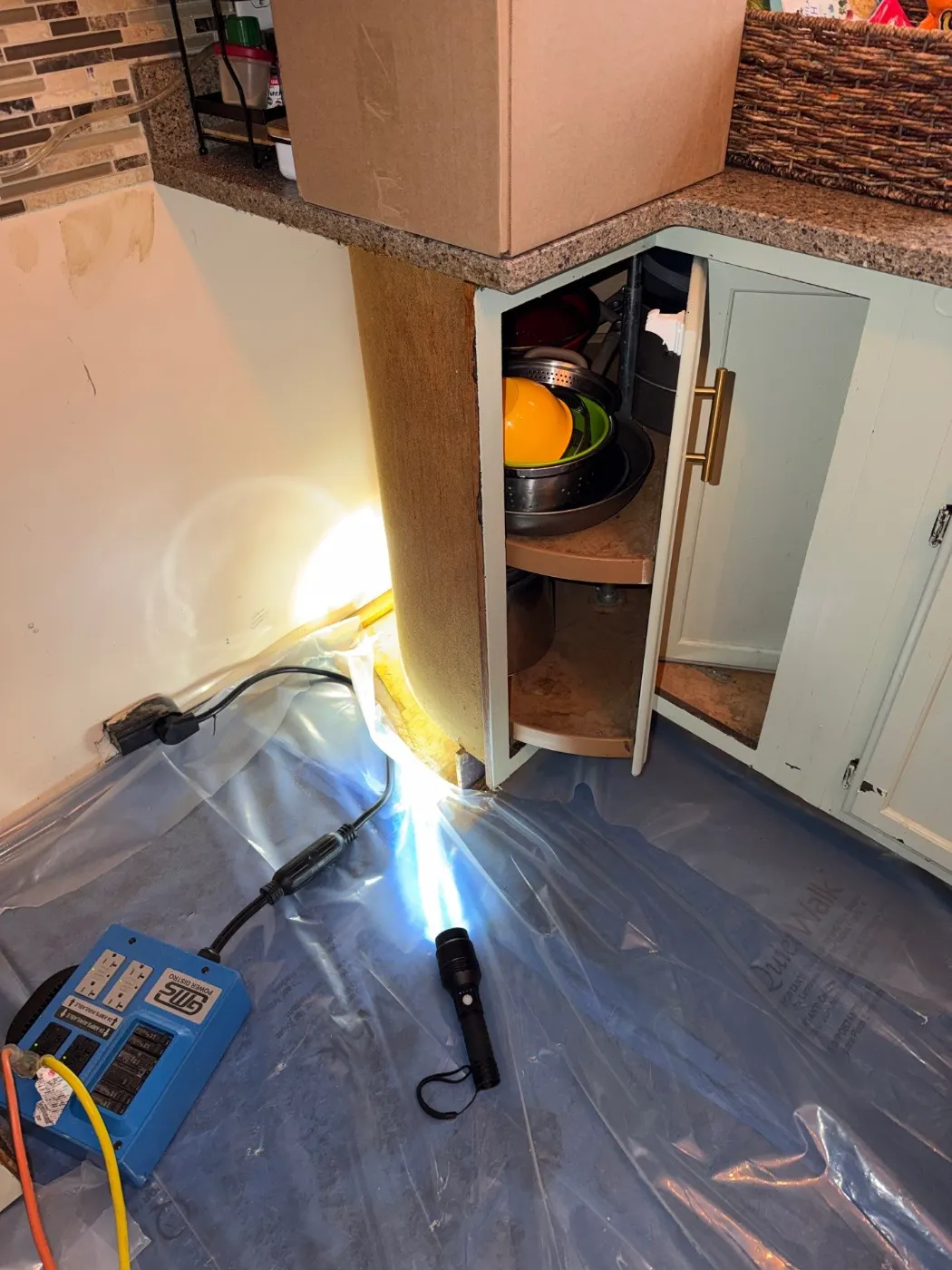
Storm-driven water mitigation in Spring HillEmergency tarping after storm damage in Spring Hill, Hamilton CountyWater extraction after storm event in Spring Hill residential homeStructural drying after storm intrusion in Spring Hill
Common Questions

Storm Damage FAQ

Questions we hear most often from Spring Hill homeowners considering storm damage.

Within 2 hours of your call, our licensed crew is en route to your Spring Hill property. We maintain coverage across Marion County without routing calls through third party dispatch services, which means the person answering your call is connected directly to the team heading to your home. Severe Indiana thunderstorm seasons, particularly the April through June tornado window, mean we plan for elevated call volume during active weather events. Even during those peak periods, our standard is dispatch within 2 hours. When you call, we confirm your address, ask basic questions about what you are seeing, and give you a realistic arrival window before we hang up.
Storm damage restoration costs in Spring Hill vary by water category and the extent of material saturation. Category 1 clean water losses such as wind driven rain through a failed roof or window typically range from $1,500 - $4,500 for a residential scope. Category 2 gray water losses involving storm sewer backup or contaminated water entry typically run $3,000 - $8,000. Category 3 black water events, including significant flood overflow or sewage, often range from $7,000 - $25,000 or more depending on the structural materials affected. Most major insurance carriers cover sudden storm related losses when mitigation is prompt and documented. We provide a written scope before work begins so there are no surprises.
Most major insurance carriers cover sudden and accidental storm water intrusion when the cause is a covered peril such as wind, hail, or a tornado related roof breach. The critical distinction your carrier will examine is whether the damage was sudden or the result of long term neglect, so prompt mitigation and professional documentation are essential to a strong claim. We work with your insurance carrier by providing complete moisture mapping data, equipment logs, and a written scope of work that adjusters can review. We coordinate with your adjuster throughout the project so nothing falls through the gaps. We do not determine coverage and we do not works with your insurance carrier. Your deductible remains your responsibility, and we walk you through that before any work starts.
Yes. Our team holds IICRC certification in Water Damage Restoration under the IICRC S500 standard, which is the industry's governing document for how water damage is assessed, categorized, and dried. IICRC S500 Water Damage Restoration certification is not a marketing designation. It means our crew understands water category classification, material drying science, structural drying calculations, and post drying verification requirements. In practice, that means your Spring Hill home is dried to a documented standard rather than to a best guess. It also means your insurance carrier receives documentation built on the same framework their adjusters recognize, which typically simplifies claim processing.
Drying timelines depend on water category, material types affected, and how quickly mitigation begins. For Category 1 clean water losses in Spring Hill homes, most drying phases complete within 3 - 5 days under properly sized equipment. Category 2 losses involving gray water typically require 5 - 7 days. Category 3 events with significant contamination or deep structural saturation may extend beyond 7 days, and controlled demolition of unsalvageable materials is often necessary before effective drying can occur. Starting extraction within the first few hours shortens drying time significantly. Homes where water sat for 12 or more hours before extraction almost always require longer drying periods and more material removal.
Our team handles all three water damage categories defined by IICRC S500 Water Damage Restoration standards. Category 1 is clean water originating from a sanitary source, such as wind driven rain entering through a failed roof or window. Category 2 is gray water carrying some level of contamination, such as storm sewer overflow pushing back through a floor drain. Category 3 is black water, which is grossly contaminated water from sources such as rising floodwaters that have contacted soil and sewage. Category 2 and Category 3 losses require additional containment, personal protective equipment, and antimicrobial treatment. The category determines the entire scope of how our crew approaches extraction, drying, and material assessment.
Mold colonization can begin within 24 to 48 hours in wet organic materials like drywall, wood framing, and carpet padding when temperature and humidity conditions are favorable. Indiana summers create exactly those conditions. In Spring Hill homes where storm water sat overnight before extraction began, our crew evaluates every affected surface during moisture mapping for early microbial indicators. The goal of rapid extraction and commercial dehumidification is to drop humidity levels below the threshold where mold growth accelerates before that 24 to 48 hour window closes. When HEPA filtration is needed due to suspected spore presence, we deploy it as part of the drying setup. Preventing mold through fast action is always less costly than remediating it after the fact.
First, if there is any risk of electrical hazard from water near panels, outlets, or appliances, turn off power to affected areas at the breaker and do not re enter until it is safe. Second, document the damage with your phone camera before moving anything, capturing wide shots and close ups of all visible water and damage. Third, if it is safe to do so, place towels or buckets to slow active drip intrusion, but do not use standard household fans or run your HVAC system in an attempt to dry the space, as this can spread contamination and complicate the drying calculations our crew will perform. Fourth, locate your insurance policy information so it is ready when our team arrives to begin documentation.
Our crew arrives with commercial water extraction equipment for rapid removal of standing water from both finished and unfinished spaces. Commercial dehumidifiers pull moisture vapor from the air and building materials as the structural drying phase begins, preventing that vapor from re depositing into dry materials nearby. Professional air movers accelerate evaporation from wet surfaces by moving high volumes of air across them in a controlled pattern. Thermal imaging cameras allow us to see moisture migration inside wall and ceiling assemblies without cutting into them unnecessarily. Calibrated moisture meters give us precise readings in wood, drywall, and concrete substrates so drying progress is measured, not guessed.
Our team handles both mitigation and reconstruction, which matters more than most Spring Hill homeowners initially realize. When a single company manages the full scope, your project does not stall between the drying completion and the rebuilding start. There is no gap where your home sits open to the weather while you wait for a separate contractor to schedule an estimate. Our licensed crew performs any controlled demolition needed during mitigation, documents the drying completion, and moves into reconstruction on the same project file. That continuity also simplifies coordination with your adjuster, since the scope of both phases comes from one source with consistent documentation from day one.
Send a Message

Request Storm Damage

Contact Information

Reach Us Directly

Our team is available 24/7 for emergencies and ready to schedule inspections during business hours.

Hours
Available 24/7
Service Area
Spring Hill, IN and Surrounding Areas
License
RC21100059

Need Immediate Help?

For active water, fire, or mold emergencies, call us directly. We are available 24/7.

Call NowGet Quote