Sewage Cleanup

Sewage Cleanup in Spring Hill, IN

Spring Hill's Trusted Sewage Cleanup Team Responding Within 2 Hours to Protect Your Home

Call (317) 676-4257Get Free Quote
Quick Answer

Spring Hill Water Restoration provides sewage cleanup in Spring Hill, IN. 24/7 emergency response with IICRC-certified crews. Most claims are covered by homeowner's insurance and we work with your insurance carrier on approved claims. Call (317) 676-4257 for immediate dispatch.

  • Service: Sewage Cleanup for Spring Hill homeowners
  • Service area: Spring Hill, IN and surrounding areas
  • Response time: Within 2 hours response for Spring Hill inquiries
  • Licensed and insured (License #RC21100059)
  • Serving Spring Hill, IN since 2018
Sewage Cleanup Services

Expert Sewage Cleanup for Spring Hill Homeowners

When a sewage line backs up inside a Spring Hill home, the clock starts immediately. Raw sewage is classified as Category 3 water under IICRC S500 (Water Damage Restoration) standards, meaning it carries bacteria, pathogens, and contaminants that begin soaking into subfloors, wall cavities, and insulation within the first hour. Homeowners near the Michigan Road Corridor on the east edge of Spring Hill have told us the smell alone signals the scale of the problem before they even see standing water. Every hour without extraction expands the damage deeper into structural materials, and mold colonizes within 24 to 48 hours in the warm, moisture saturated conditions that a sewage backup creates. This is not a situation where waiting until morning is safe.

Our Team covers Spring Hill and surrounding Marion County with dispatch available at any hour. When you call, a licensed crew is mobilized and typically on your property within 2 hours. We arrive with commercial water extraction equipment capable of pulling standing sewage and contaminated water from hard floors, carpet, and subfloor cavities. Our vehicles carry professional air movers and commercial dehumidifiers so drying begins the same visit as extraction. We do not send an estimator first and a crew later. The team that assesses your home is the same team that starts work, because in a Category 3 sewage loss every delay extends contamination spread into materials that would otherwise be salvageable.

Before any equipment runs, our licensed crew performs a structured inspection using thermal imaging cameras and calibrated moisture meters to build a complete picture of where sewage water has migrated. Thermal imaging reveals hidden moisture behind drywall and under flooring that is invisible to the eye. Moisture meters confirm saturation levels in wood framing, subfloor panels, and baseboards. This moisture mapping process, conducted according to IICRC S500 (Water Damage Restoration) guidelines, tells us exactly which materials can be dried in place and which require controlled demolition to prevent ongoing contamination. The inspection findings are documented with photos and readings that can be shared directly with your insurance adjuster, giving your claim a factual foundation from the first hours of the loss.

Sewage cleanup in a Spring Hill residence moves through a defined sequence. Day one focuses on extracting all standing water and sewage using commercial water extraction equipment, followed by the removal of non salvageable materials through controlled demolition. Saturated drywall, soaked carpet pad, and compromised insulation in contact with Category 3 water typically cannot be dried safely and must come out. HEPA filtration units run throughout this phase to capture airborne contaminants. Days two through four involve structural drying with professional air movers and commercial dehumidifiers running continuously. Our team returns daily to take moisture meter readings and adjust equipment placement based on drying progress. Post drying verification confirms that all affected materials have reached acceptable moisture levels before any reconstruction begins.

Sewage backups in Spring Hill homes are typically covered under standard homeowner policies as sudden and accidental losses, though coverage details vary. We work with your insurance carrier from the first day, documenting scope, photos, moisture readings, and material removal in a format adjusters recognize and expect. We coordinate with your adjuster throughout the project so you are not left translating technical findings on your own. Most major insurance carriers require prompt mitigation to honor a claim, which is one more reason the 2 hour response our team provides matters beyond just stopping the damage. Your deductible still applies, and we walk you through what to expect before any work begins so there are no surprises in the billing process.

If you are standing in a Spring Hill home right now looking at a sewage backup, do not wait. Call our team immediately for dispatch within 2 hours. We offer free inspections with no obligation, so you will know the exact scope and category of your loss before committing to any work. The faster extraction begins, the more structural material we can save, and the lower your total restoration cost. Our licensed crew is available across Spring Hill and Marion County every day of the year. One call starts everything.

When to Call

Signs You Need Sewage Cleanup

If you notice any of these in your Spring Hill home, schedule a free inspection before the issue worsens.

Raw sewage odor rising from floor drains or toilets inside your Spring Hill home, especially in lower levels.

Multiple fixtures in the home backing up simultaneously, a classic indicator of a main line blockage.

Gurgling sounds from toilets or sink drains when water is run elsewhere in the house.

Standing sewage water visible on the basement floor of a Knoll Condominiums unit after heavy Indiana rainfall.

Dark or discolored water seeping up through floor tile grout or around a toilet base.

Wet or soft spots in the subfloor around a bathroom or utility room with no obvious plumbing leak above.

Sewage smell in wall cavities or under cabinets long after a drain issue appeared to be resolved.

A Spring Hill property near the Wynnedale Spring Hill border area experiencing repeated slow drains after ground saturation events.

Visible sewage residue staining on concrete or drywall after water has partially receded.

Cold Spring Road Estate Properties homeowner noticing yard sections that are unusually wet or sunken near the sewer cleanout, paired with interior drain slowdowns.

Our Process

How Spring Hill Water Restoration Handles Sewage Cleanup

Every job follows the same three-step process. Transparent, thorough, and done right the first time.

1

Emergency Dispatch and Arrival

Within 2 hours of your call, a licensed crew departs for your Spring Hill address. No estimator relay, no scheduling delay. The team that arrives is equipped and authorized to begin work immediately. You receive a direct call confirming arrival time so you are not left waiting without information during a stressful situation.

2

Inspection and Moisture Mapping

Our crew uses thermal imaging cameras and moisture meters to trace exactly where sewage water has migrated inside your home. Every affected wall, floor, and cavity is documented with readings and photos. This moisture mapping step, grounded in IICRC S500 (Water Damage Restoration) standards, determines which materials can be dried in place and which require removal before drying can be effective.

3

Extraction and Controlled Demolition

Commercial water extraction equipment removes standing sewage and saturated water from all affected surfaces. Materials classified as non salvageable under Category 3 contamination standards are removed through controlled demolition. This typically includes sewage soaked drywall, carpet, pad, and insulation. HEPA filtration units run simultaneously to address airborne contaminants throughout the work area.

4

Structural Drying and Daily Monitoring

Professional air movers and commercial dehumidifiers are placed according to structural drying calculations for the specific square footage and material types in your Spring Hill home. Our team returns each day to read moisture levels and reposition equipment as drying progresses. Most residential losses reach target moisture levels within 3 - 5 days depending on the extent of contamination and material types affected.

5

Post Drying Verification and Reconstruction

Before any reconstruction begins, our crew conducts post drying verification using moisture meters across all previously affected areas. Final readings are documented to confirm the structure is dry and safe for rebuild. We then coordinate the reconstruction phase so Spring Hill homeowners work with one team from extraction through finished repairs, with no handoff gaps or scheduling conflicts between mitigation and rebuild.

Real Project Photos

Sewage Cleanup in Spring Hill

Photographs from real sewage cleanup jobs completed by our crew in Spring Hill and surrounding areas.
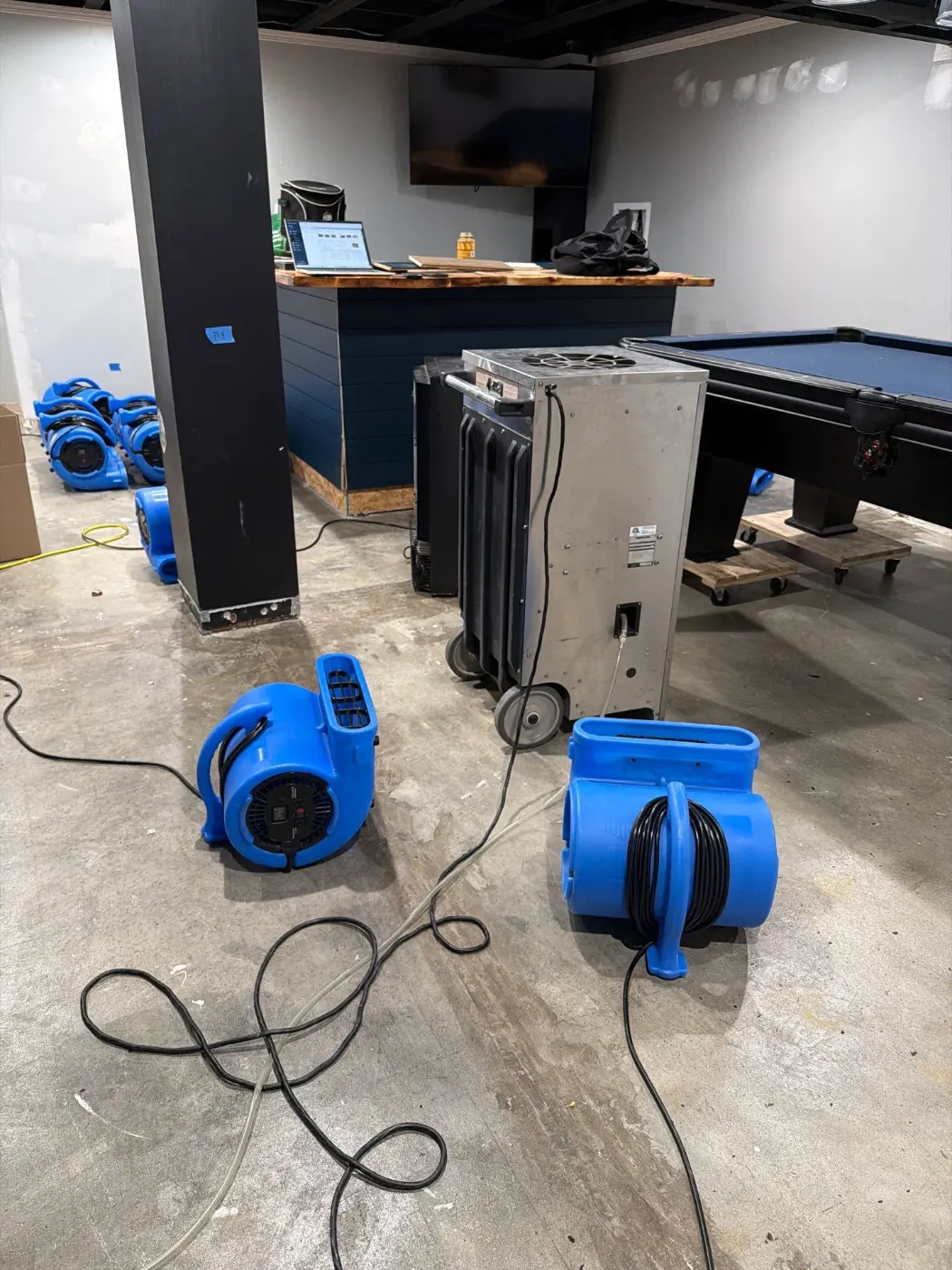
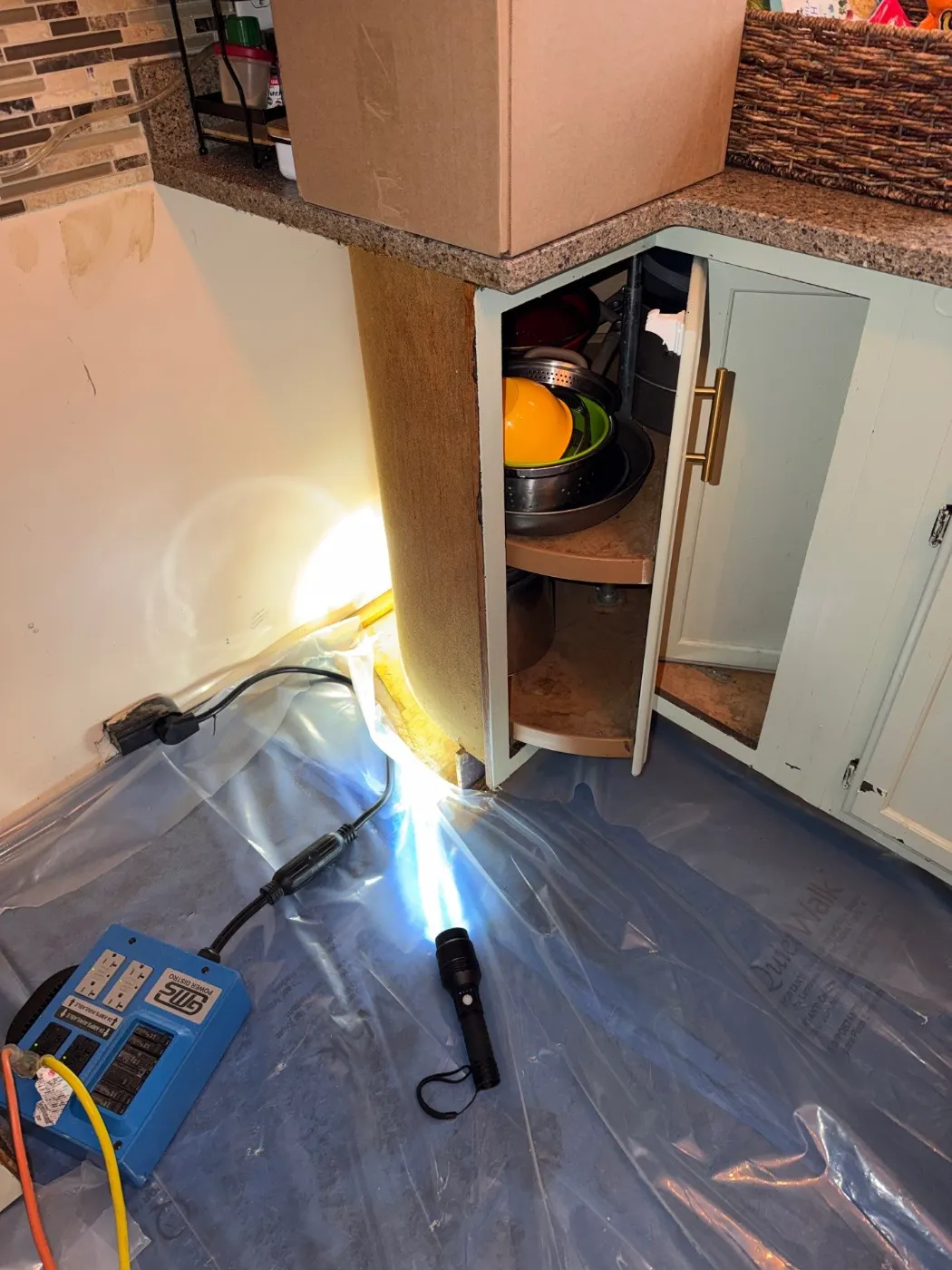
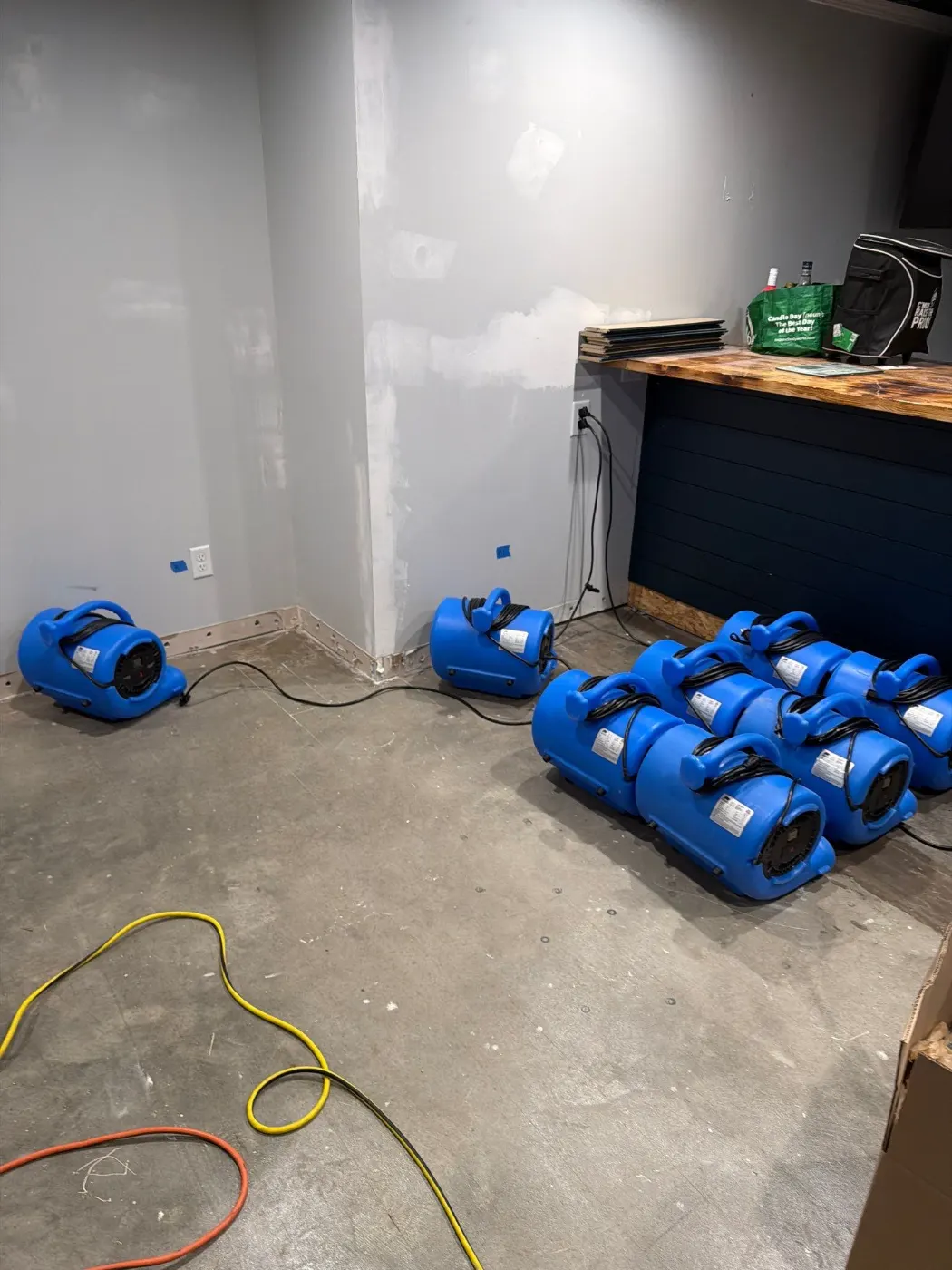
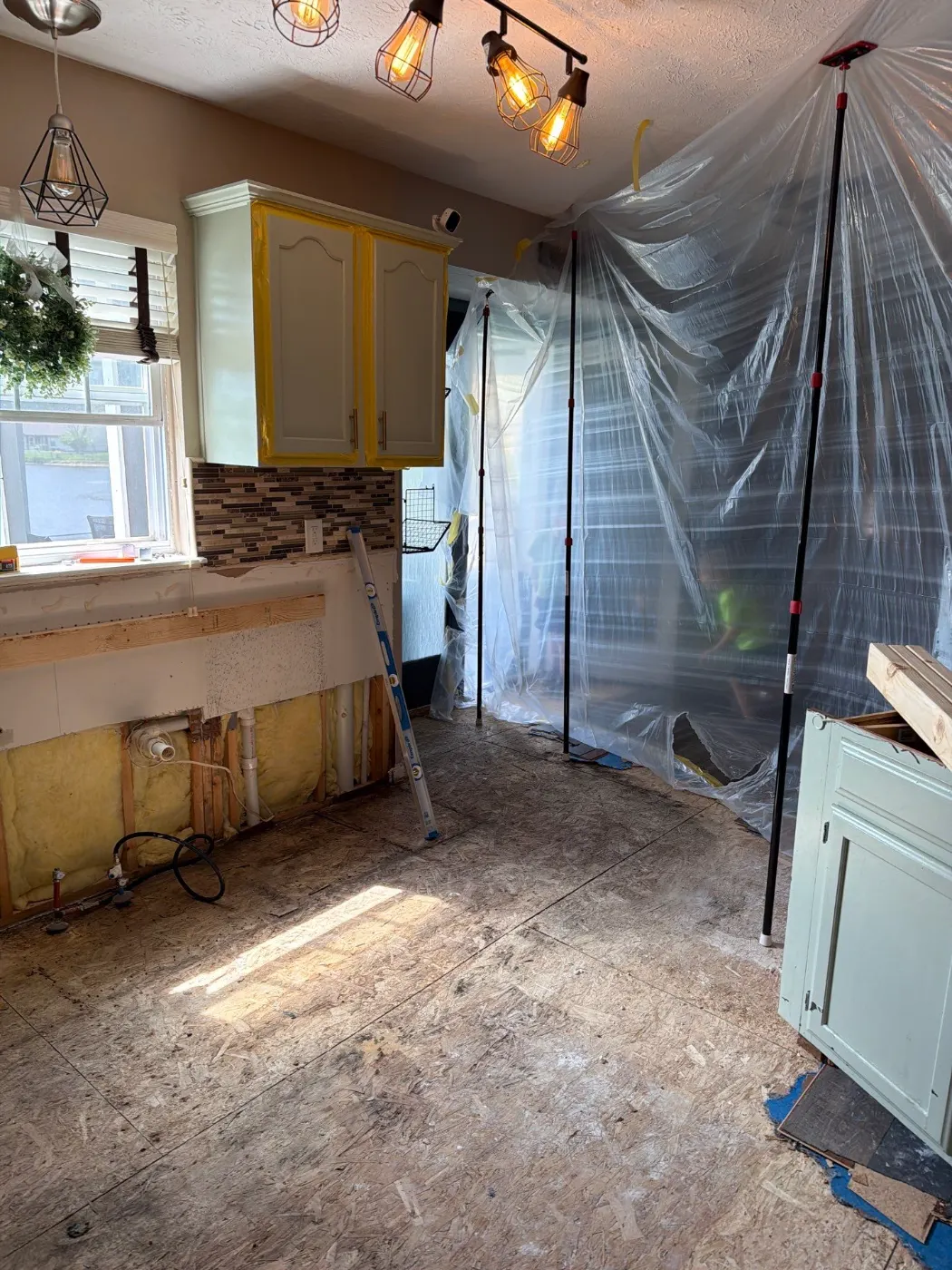
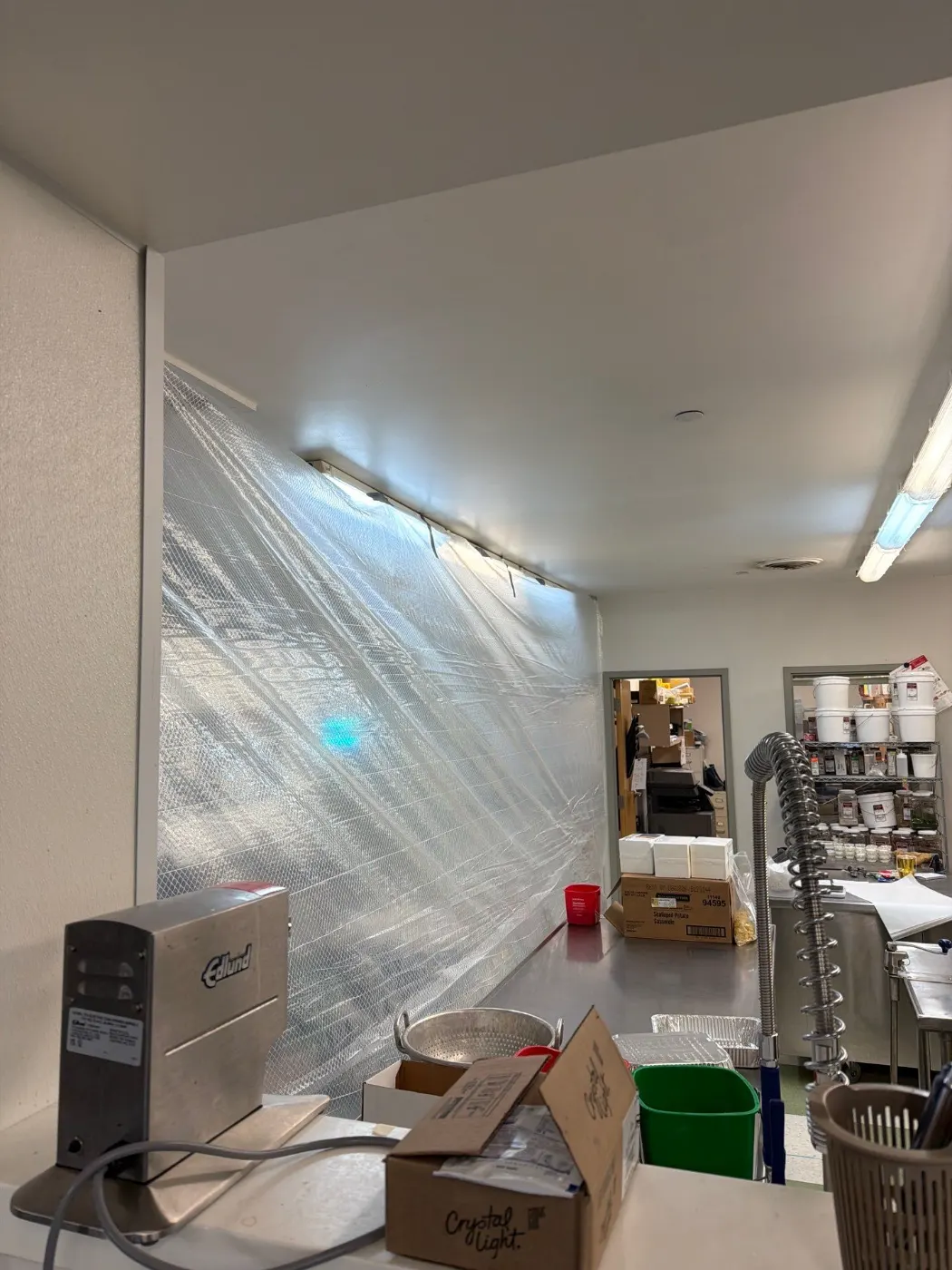
Category 3 sewage cleanup in Spring Hill basementAffected material removal during Spring Hill sewage backup remediationSanitization after sewage event in Spring Hill Indiana homeSewage cleanup crew in PPE on-site in Spring Hill, IN
Common Questions

Sewage Cleanup FAQ

Questions we hear most often from Spring Hill homeowners considering sewage cleanup.

Within 2 hours of your call, a licensed crew is dispatched to your Spring Hill address. Our coverage includes all of Spring Hill and the broader Marion County area, including neighborhoods like Knoll Condominiums and properties along the Michigan Road Corridor on the east edge of town. We do not route calls through a national center and then assign a local partner. The crew that answers your call is the crew that arrives. You receive a direct confirmation of their departure so you know when to expect them. For sewage losses, which are Category 3 contamination events, that 2 hour window is critical to limiting how far contaminants spread into structural materials.
Sewage cleanup costs in Spring Hill vary based on the category of water involved and the square footage affected. Category 1 clean water losses typically range from $1,500 - $4,500 for standard residential scope. Category 2 gray water losses, such as washing machine overflows or sink backups, generally fall between $3,000 - $8,000. Category 3 losses involving raw sewage, which are the most common type we handle, typically range from $7,000 - $25,000 or more depending on how far contamination has spread and how much structural material requires removal. Most major insurance carriers cover sudden sewage backups, which can significantly reduce your out of pocket cost. We provide a documented scope before work begins so you understand exactly what drives the estimate.
Most major insurance carriers cover sewage backups in Spring Hill homes when the event is sudden and accidental rather than the result of long term neglect or a gradual condition. Policies that include sewer or drain backup endorsements typically offer the strongest coverage for Category 3 sewage losses. We work with your insurance carrier by providing the moisture documentation, photo evidence, and scope of loss that adjusters need to process your claim efficiently. We coordinate with your adjuster throughout the project so the technical findings are communicated accurately. Your deductible will still apply, and we are transparent about that before any work begins. Prompt mitigation is something your insurance carrier typically expects, so calling quickly also protects your claim.
Yes, our team holds current IICRC certification and conducts all sewage cleanup work in Spring Hill according to the IICRC S500 (Water Damage Restoration) standard. The S500 is the industry's primary technical reference for assessing water damage categories, selecting appropriate drying methods, and verifying that restoration meets documented moisture targets. In practice, that means our licensed crew does not guess at drying times or material removal decisions. Every choice from what gets extracted to how equipment is placed is guided by the S500 framework. IICRC S500 (Water Damage Restoration) certification also means our documentation format is recognized by most major insurance carriers, which supports a smoother claims process for Spring Hill homeowners.
The total timeline for sewage cleanup in a Spring Hill home depends on the category of water involved, the size of the affected area, and how deeply contamination has penetrated into structural materials. Category 1 clean water losses are typically dry within 3 - 5 days. Category 2 gray water losses often take 4 - 7 days. Category 3 sewage losses, which involve controlled demolition before drying can begin, generally require 5 - 10 days for the mitigation phase alone, with reconstruction scheduled separately after post drying verification is complete. Our crew monitors moisture levels daily and does not remove equipment until readings confirm the structure has reached safe levels, so the process is never cut short for convenience.
Our team handles all three water damage categories defined under the IICRC S500 (Water Damage Restoration) standard. Category 1 involves clean water from a supply line or appliance and carries the lowest contamination risk. Category 2 involves gray water from sources like washing machine overflows or dishwasher leaks and can contain chemical or biological irritants. Category 3 is the classification for raw sewage, toilet overflows, and any water that has contacted fecal matter, and it represents the highest contamination risk. Sewage backups in Spring Hill homes are almost always Category 3 events regardless of how limited the visible pooling appears, because the pathogens in sewage water penetrate porous materials quickly and are not visible to the eye.
Mold colonization can begin within 24 to 48 hours in a moisture saturated environment, and a sewage backup creates exactly the warm, humid conditions that accelerate growth. In Spring Hill homes, Indiana's humid summer months make this timeline even tighter because ambient moisture levels are already elevated. Our team prioritizes extraction and structural drying specifically to interrupt the conditions mold needs before it establishes. When sewage water has been in contact with drywall or wood framing for an extended period before we arrive, we assess for early mold indicators during the inspection phase and include appropriate containment and HEPA filtration in the scope of work. The best mold prevention strategy is simply fast extraction and verified drying.
First, if it is safe to do so, shut off the main water supply to the home to stop any ongoing flow contributing to the backup. Second, avoid using any plumbing fixtures, including toilets and sinks, until the crew has assessed the main line. Third, photograph the affected areas from multiple angles before touching anything, as that documentation supports your insurance claim. Fourth, stay out of the sewage affected area as much as possible since Category 3 water contains pathogens that can cause illness through skin contact or inhalation. Do not attempt to clean or dry the area with household fans or towels, as this can spread contamination. Keep children and pets away from the affected zone entirely until our licensed crew has completed extraction.
Our licensed crew arrives at Spring Hill properties with commercial water extraction equipment designed to pull standing sewage and saturated water from multiple flooring types including concrete, hardwood, tile, and subfloor panels. We bring thermal imaging cameras to detect hidden moisture migration behind walls and under floors that is not visible during a standard visual inspection. Moisture meters allow us to take precise readings in wood framing, drywall, and other materials to guide equipment placement and confirm drying progress. For Category 3 sewage losses, HEPA filtration units run throughout the work area to address airborne contaminants. Commercial dehumidifiers and professional air movers complete the structural drying phase after extraction and controlled demolition are finished.
Our team handles both mitigation and reconstruction for Spring Hill homeowners, and we believe that matters because switching between separate companies for those two phases causes delays, scope disputes, and gaps in accountability. After post drying verification confirms your home is ready for rebuild, the same licensed crew transitions into reconstruction work covering drywall installation, flooring replacement, cabinetry, and finish work as needed. There is one project manager, one schedule, and one point of contact from the day sewage extraction begins through the day you walk through a finished room. For homeowners in areas like Cold Spring Road Estate Properties or near the Wynnedale Spring Hill border, where finishes and layouts can be more complex, that continuity means the rebuild matches the original quality of the home.
Send a Message

Request Sewage Cleanup

Contact Information

Reach Us Directly

Our team is available 24/7 for emergencies and ready to schedule inspections during business hours.

Hours
Available 24/7
Service Area
Spring Hill, IN and Surrounding Areas
License
RC21100059

Need Immediate Help?

For active water, fire, or mold emergencies, call us directly. We are available 24/7.

Call NowGet Quote