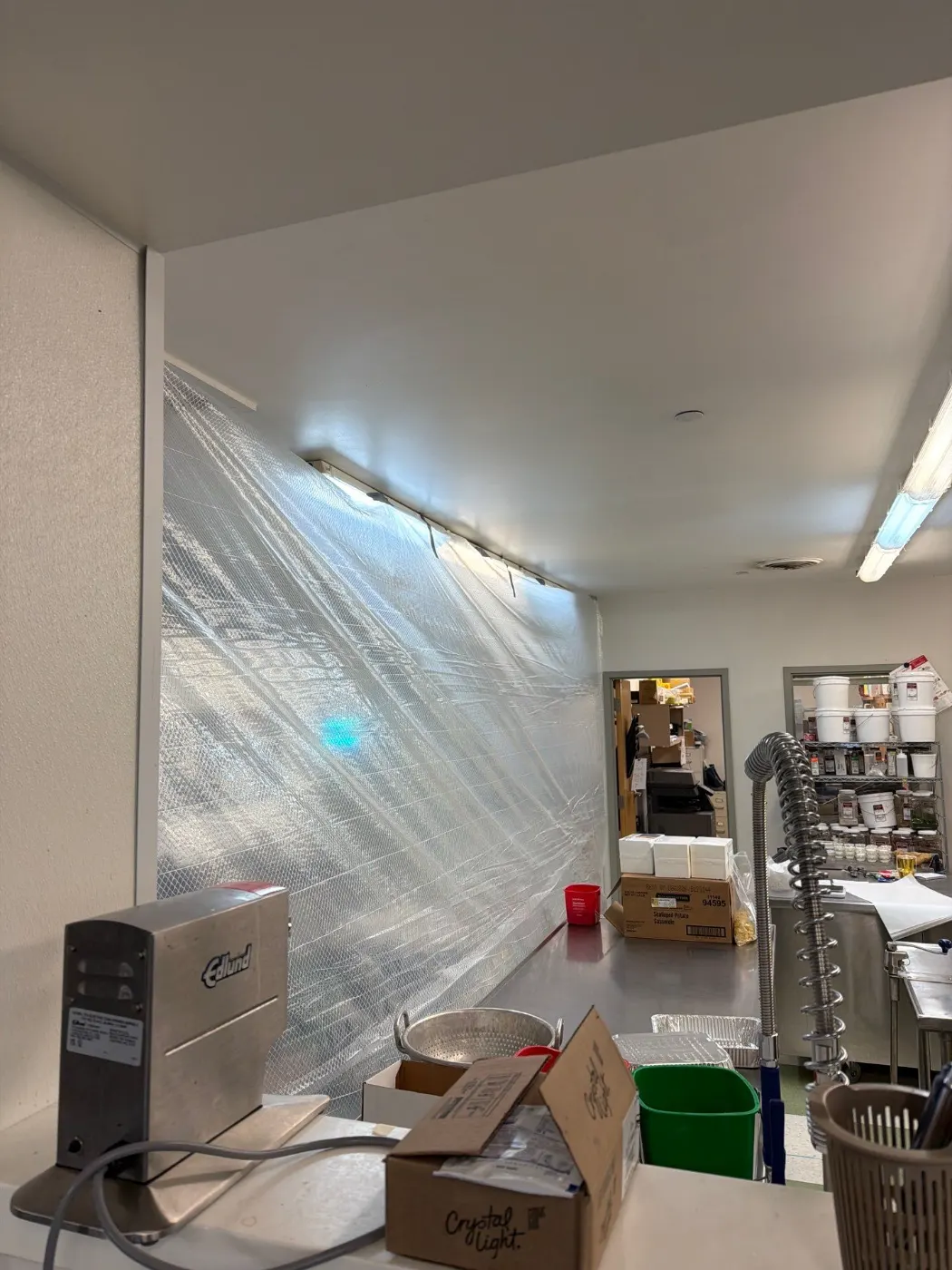
Live Dispatch · Spring Hill Water Damage Emergencies
When a supply line lets go or the White River pushes groundwater into your lower level, Spring Hill Water Restoration delivers fast, around the clock water damage restoration in Spring Hill. Our IICRC certified crews handle the full job from extraction through reconstruction and coordinate directly with your insurance carrier.
If we're busy helping someone else and miss your call, we'll call you back within 15 minutes.


For water damage restoration in Spring Hill, IN, Spring Hill Water Restoration brings truck mounted extraction, commercial drying equipment, and IICRC certified technicians, around the clock, with written scopes and insurance coordination. Call (317) 342-7736 for dispatch.
- Services: water damage restoration, basement flooding, sewage cleanup, storm damage
- Service area: Spring Hill, Marion County, IN and surrounding areas
- Response time: Same day for Spring Hill inquiries; 24/7 emergency service available
- Licensed and insured (License #RC21100059)
- Serving Spring Hill, IN since 2018
Schedule Your Free Damage Assessment
A proper inspection in a Spring Hill home is room by room, not a quick walk and a quote. Our crew measures walls with non penetrating meters at multiple heights, checks baseboards and trim, pulls suspect insulation, looks behind cabinets and appliances, under sinks, around water heaters and washing machines, and walks the full basement perimeter and slab joints in homes that have them. Thermal imaging maps temperature differentials that reveal hidden moisture inside cavities, a penetrating meter confirms actual moisture content in the material, and a hygrometer logs ambient temperature and relative humidity. Thorough mapping is what prevents the most expensive failure in restoration, the moisture you cannot see that fuels mold growth weeks after the visible water is gone. Every reading is documented before we recommend a scope for your Spring Hill property.
I agree to be contacted by Spring Hill Water Restoration regarding my inquiry.
Ceiling water damage in Spring Hill means the problem is upstairs and moving. Roof leaks, overflowed tubs, and failed supply lines travel through framing before they show below. Finding and stopping the source, then drying the cavity properly, is what separates repair from repeat.
Reconstruction closes the loop. Once Spring Hill structures are verified dry, the same coordinated approach handles drywall, paint, trim, and flooring, so homeowners aren't hiring a second company to finish what the first one opened.
Financing options and insurance coordination make serious Spring Hill water losses workable. Nobody plans for this expense; the company handling it should make the money side as navigable as the moisture side.
Payment Options That Work for You
Your Spring Hill Water Restoration project lead will walk you through every financing option during the assessment. Terms in writing, no pressure, no surprise charges.
Pay for your project at a later time, but lock in today's pricing. Ideal for homeowners waiting on insurance settlements.
- No payments for 12 months
- No interest if paid in full
- Lock in current pricing today
Divide your project cost equally across 12 months with zero interest. Most homeowners choose this option for predictable budgeting.
- Equal monthly payments
- 0% interest for 12 months
- Simple, predictable budgeting
Spread your investment over up to 20 years with fixed equal payments. The right choice for larger projects or homeowners who prefer lower monthly amounts.
- Up to 20-year terms available
- Fixed equal payments
- Ideal for larger projects
Financing provided by Regions, Foundation Finance, Slice. Subject to credit approval. Rates, terms, and promotional periods are set by the lender and disclosed in writing before you sign.
What Spring Hill Property Owners Call Us For
From emergency response to full reconstruction, Spring Hill Water Restoration handles every restoration project with IICRC-certified crews and clear documentation.
Water Damage Restoration in Spring Hill
Serving Spring Hill: full residential water damage response including extraction, structural drying, moisture verification, and reconstruction per IICRC S500. Covers losses from supply lines, appliances, sewer backups, and storm intrusion.
Learn moreBasement Flooding in Spring Hill
For Spring Hill addresses, standing water extraction, structural drying, and restoration for flooded basements caused by groundwater intrusion, sump failure, or surface water during heavy rain events. Reconstruction handled in sequence.
Learn moreSewage Cleanup in Spring Hill
Serving Spring Hill: category 3 contamination response with full containment, PPE, removal of porous materials that cannot be decontaminated, antimicrobial treatment, and verification before any reconstruction begins.
Learn moreStorm Damage in Spring Hill
In Spring Hill, water intrusion response after severe weather including wind driven rain, hail, and tornado related building envelope failures. Extraction, drying, and reconstruction of affected interior areas.
Learn moreCommercial Water Restoration in Spring Hill
For Spring Hill addresses, water damage mitigation and reconstruction for commercial properties, scaled to the square footage and operational needs of the facility. IICRC S500 methodology applied throughout.
Learn moreCommercial Flood Damage Cleanup in Spring Hill
For Spring Hill addresses, large loss flood response for commercial buildings including bulk extraction, structural drying, content management, and coordinated reconstruction to return the space to operating condition.
Learn moreCommercial Sewage Cleanup in Spring Hill
Serving Spring Hill: category 3 cleanup for commercial properties with full containment, regulated material disposal, antimicrobial treatment, and documented verification per IICRC standards.
Learn moreCommercial Mold Remediation in Spring Hill
For Spring Hill addresses, containment, controlled removal, and remediation of mold growth in commercial buildings per IICRC S520, including HEPA filtration and post remediation verification when warranted.
Learn moreCommercial Storm Damage in Spring Hill
In Spring Hill, commercial response to storm driven water intrusion including emergency board up coordination, water extraction, structural drying, and reconstruction of damaged interior systems.
Learn more
Local Expertise, Real Results
Restoration done to the IICRC S500 standard, documented start to finish, for the Spring Hill homeowners who called us at the worst possible hour.
If you live in Spring Hill and you have water somewhere it should not be, Spring Hill Water Restoration is the local crew that handles it from dispatch through reconstruction. License #RC21100059, IICRC trained, fully insured, and on call 24 hours a day across Spring Hill and Marion County.
Spring Hill Water Restoration serves Spring Hill homeowners across the small bluff top enclave off Cold Spring Road, along with the surrounding Marion County communities of Wynnedale, Rocky Ripple, Meridian Hills, and Crows Nest. Restoration is the core trade here, not a side service, and our crews have spent years working on both century old estate homes and the 1984 condominium structures that define Spring Hill's housing mix. Every technician on a job is a experienced technicians on a licensed and insured crew, led by IICRC certified leads. That structure matters when a Spring Hill basement is taking on water at midnight and the homeowner needs a real answer about what happens next.
Our water damage work in Spring Hill follows the IICRC S500 standard, the published methodology for water damage restoration, and any mold remediation is performed to the IICRC S520 standard. That means a documented moisture assessment up front using thermal imaging and calibrated meters, controlled extraction matched to the Category of water present, structural drying with monitored air movement and dehumidification, antimicrobial application where the loss requires it, and verification readings before any reconstruction begins. The protocol is not paperwork for its own sake. It is how a wet wall in a Spring Hill home gets dried correctly the first time instead of becoming a mold call thirty days later.
Our Promise
Three commitments to every Spring Hill homeowner who calls. First, fast emergency dispatch day or night, because every hour without extraction expands the damage and pushes you closer to the 24 to 48 hour mold window. Second, IICRC certified technicians trained to the S500 standard, with proper equipment on the truck before we leave. Third, a free on site inspection before any work begins, with clear scope discussion and direct coordination with your insurance carrier if you have an active claim.
Built for Spring Hill Emergencies
Spring Hill homeowners choose Spring Hill Water Restoration for IICRC certified work, documented drying verified by meter, and pricing walked through before the job starts.
Around The Clock Response
Water damage in Spring Hill does not wait for business hours, and neither do we. Our 24 7 emergency line dispatches crews day or night with extraction equipment, dehumidifiers, and air movers already on the truck. Fast response shrinks the damaged area and limits secondary problems like swollen subfloor and saturated insulation.
IICRC S500 Trained Crews
Every job is led by an IICRC certified technician working to the S500 standard, the published protocol for water damage restoration. In practice that means correct Category classification, documented moisture readings, and drying verified by meter before reconstruction. The certification is not a sticker on the truck, it is how the work gets done.
One Crew Start To Finish
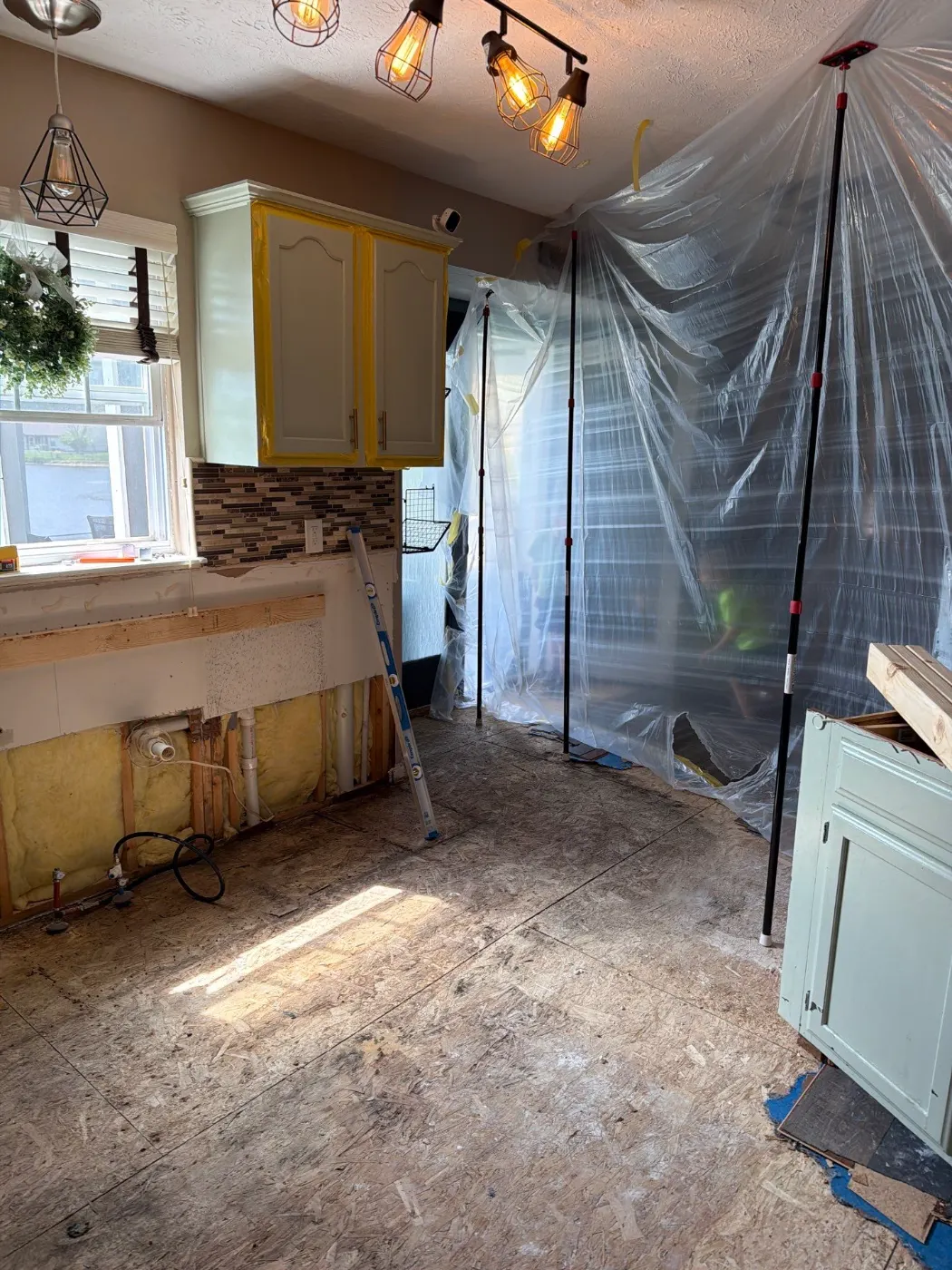
Mitigation through reconstruction is handled by Spring Hill Water Restoration, so Spring Hill homeowners are not left chasing a separate contractor after the dry out. Drywall, flooring, paint, trim, and finish work close out the same project that began with extraction. Fewer handoffs means fewer gaps where the home sits open.
Insurance Documentation Done Right
We document every affected area with photos, written moisture maps, and meter logs before mitigation begins, then coordinate directly with your insurance carrier on scope and justification. Spring Hill homeowners get the paperwork their adjuster expects without having to translate restoration language themselves.
Real Jobs. Real Results.
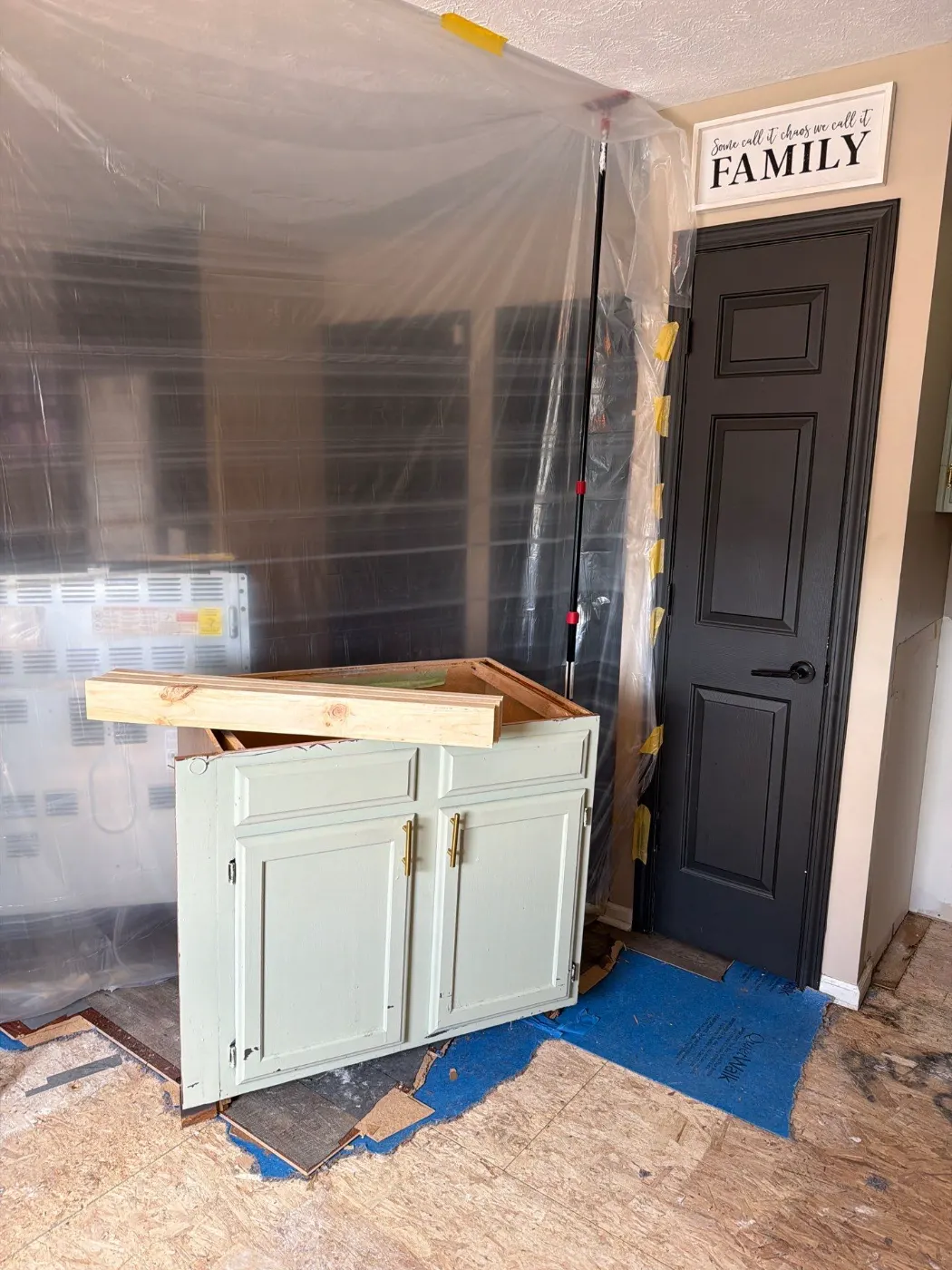
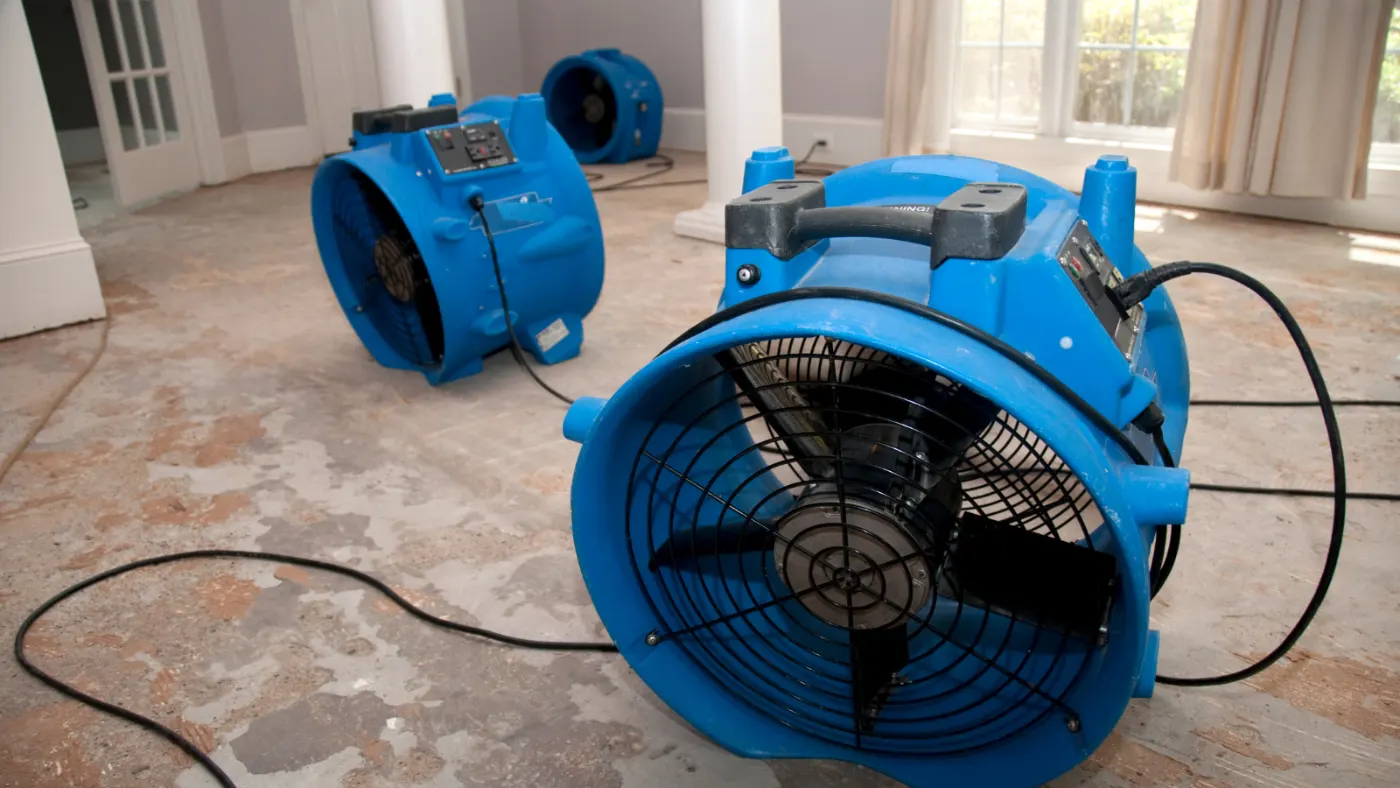
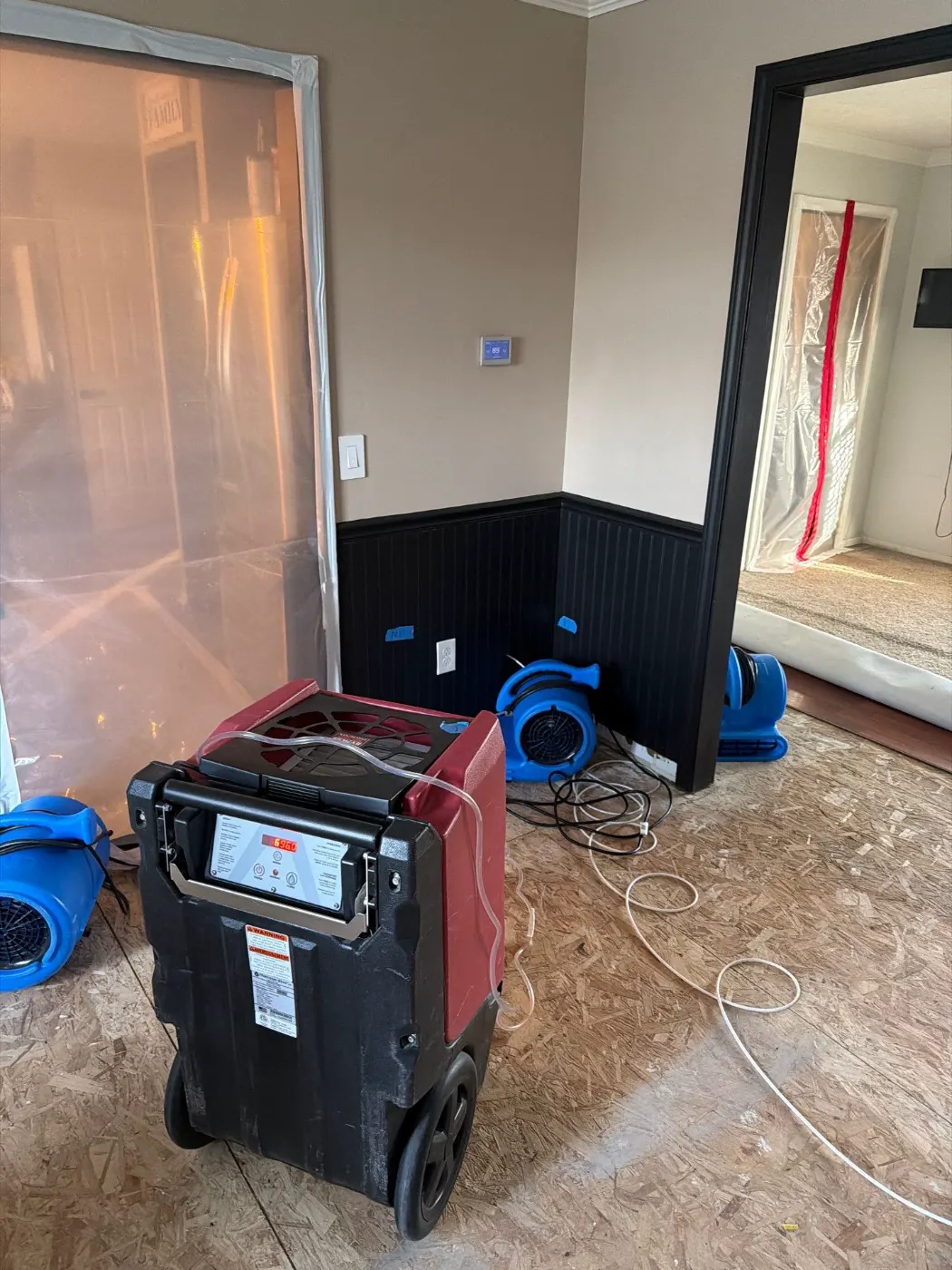
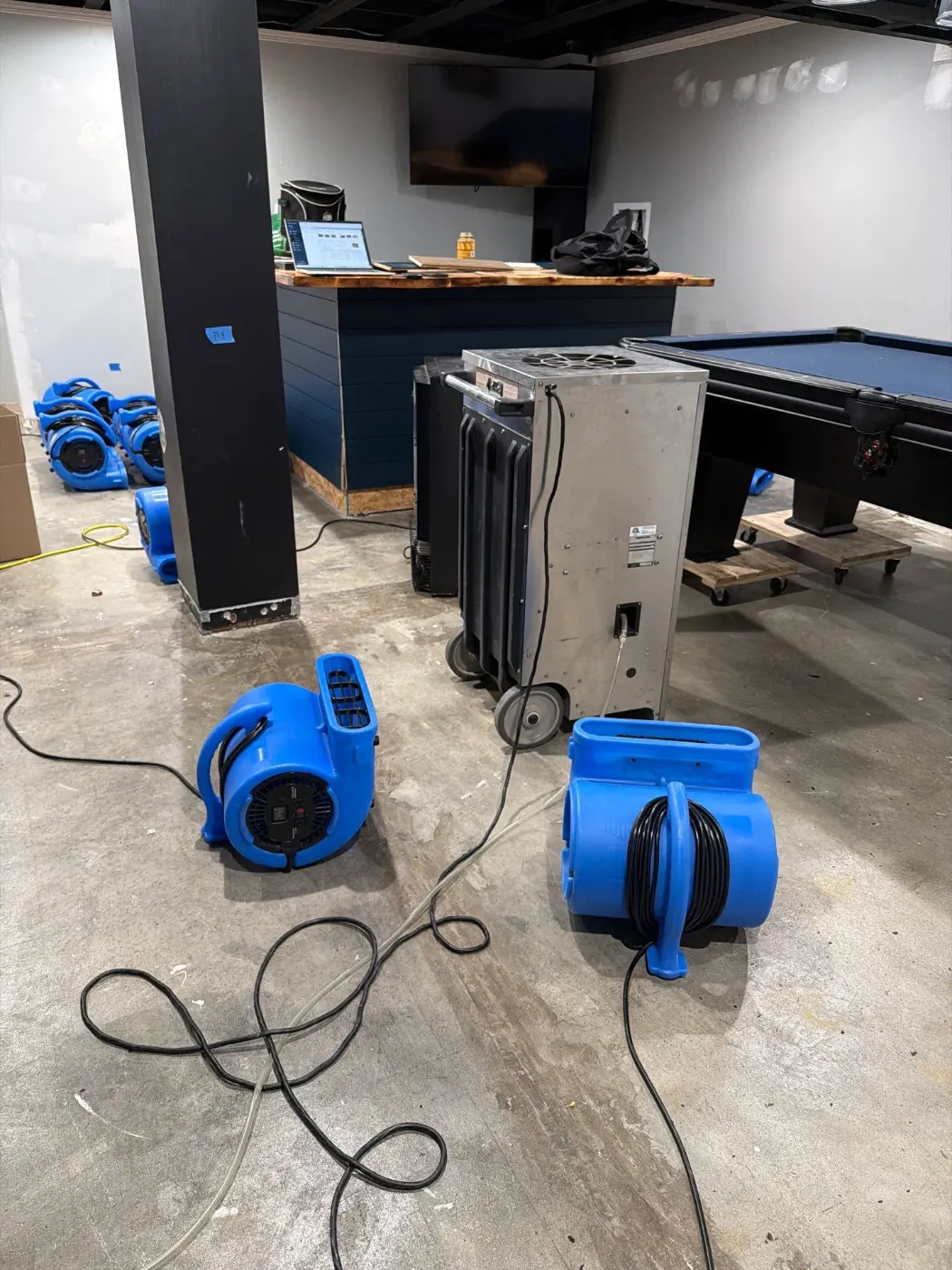
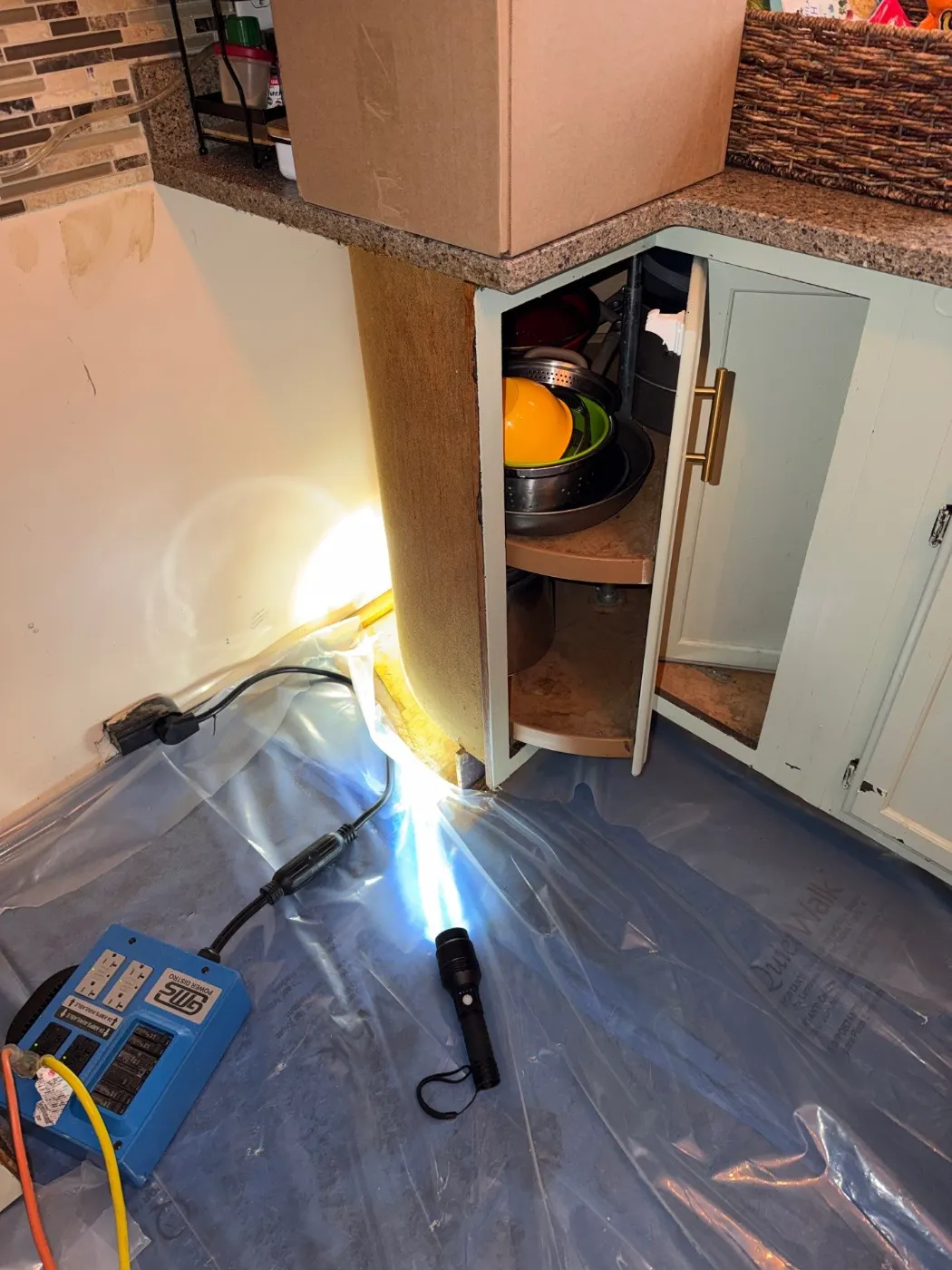
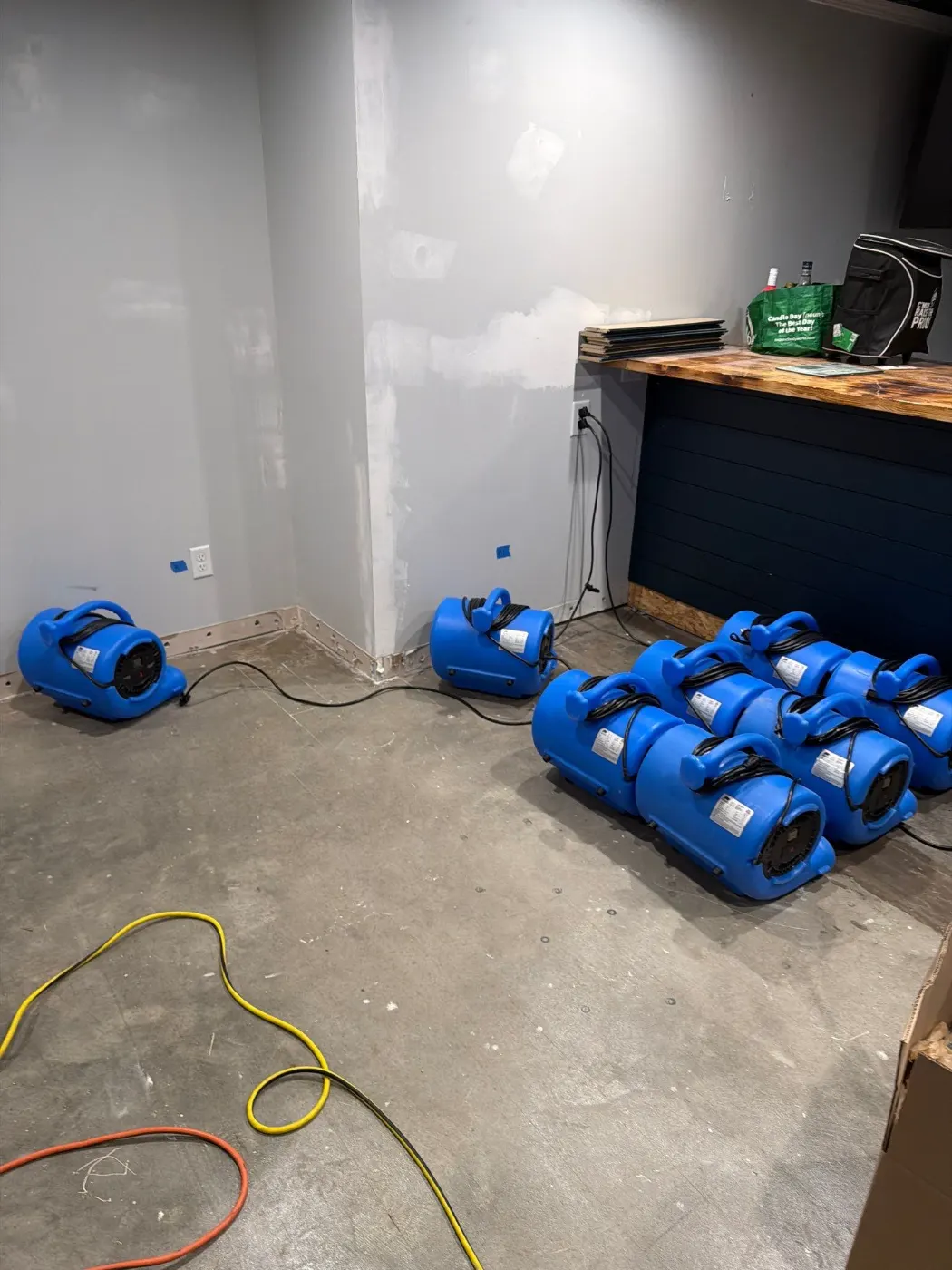
Recent water damage restoration projects from Spring Hill and the surrounding Marion County communities, including basement extractions, Category 3 cleanups, and full reconstruction after the dry out was complete.
The First Hour in Your Spring Hill Home, and Everything After
First, moisture assessment and Category determination on site. A certified lead walks the loss with the Spring Hill homeowner, identifies the source (failed supply line, dishwasher or washer hose, water heater, sewer backup, storm intrusion through a window well or grade), and maps the affected footprint with thermal imaging and meter readings. Water is classified as Category 1, 2, or 3 per IICRC S500, which drives every decision that follows including PPE, containment, and what materials can be dried versus removed. This phase typically takes one to two hours and produces the written scope used for the rest of the job.
Second, insurance coordination and documentation. Before a single air mover runs, the affected areas are photographed and video walked, meter readings are logged into a written moisture map, and the source of loss is documented for the carrier file. We contact your adjuster directly, walk through the scope of work, and match mitigation to coverage so there are no surprises later. Most Spring Hill homeowners never see this paperwork because we handle it with the carrier, but it is the reason claims process cleanly instead of stalling for a second site visit.
Third, drying execution and controlled reconstruction. Air movers and dehumidifiers are placed based on structural drying calculations for the affected square footage, then monitored daily with logged readings until materials reach the dry standard, meaning moisture content matched to unaffected reference materials in the same Spring Hill home. Demolition is controlled and limited to what cannot be dried in place. Reconstruction follows in sequence: drywall, insulation, flooring, paint, trim, and finish carpentry, returning the space to pre loss condition under one continuous scope.
Rapid Emergency Dispatch
When the call comes in, a certified lead and crew roll with extraction equipment, dehumidifiers, air movers, and meters already loaded. No second trip for gear. Spring Hill homeowners get triage, source control guidance, and extraction underway on the first visit.
Category Determination Per S500
Every loss is classified as Category 1, 2, or 3 under the IICRC S500 standard before drying decisions are made. Meter readings are logged, the source is documented, and the written assessment drives PPE, containment, and material removal calls. That is what separates restoration from guessing.
Insurance Carrier Coordination
We work directly with your insurance carrier, providing photos, moisture maps, and scope justification matched to your coverage. transparent invoicing. Clean documentation is how claims move forward without stalls.
Verified Dry Before Rebuild
Drying runs with daily monitoring and logged meter readings until affected materials match unaffected reference points in the home. Reconstruction does not begin until the structure is verified dry. That sequence is what prevents mold calls thirty days after the visible damage is gone.
The Most Frequent Spring Hill Water Emergencies
Spring Hill homes typically call us about these six water damage scenarios.
Roof Leak Reaching the Ceiling
A ceiling that bulges is holding water above it, and standing under it to poke a hole is how people get hurt. We relieve it in a controlled way, extract what comes down, and pull the soaked insulation, because insulation that has been saturated does not dry in place.
Dishwasher Leak Under the Cabinet
Kitchen leaks travel along the underside of the cabinet run and drop through the first opening they find. In a Spring Hill home over a finished basement, the first sign is a stain on the ceiling below, a room away from the appliance that caused it.
Downspouts Discharging at the Foundation
Extensions are the cheapest prevention there is. Get the discharge several feet out and downhill, keep the grade sloping away from the house, and most of the seepage calls stop coming.
Burst Supply Lines
A frozen pipe that bursts can dump 30 to 50 gallons of water in minutes before the homeowner knows there’s a problem. We respond to Spring Hill burst pipe emergencies year-round, with peak season January through March.
Sink Drain and P-Trap Leaks
Under a kitchen or bath sink the joints are hand tight, the trap collects everything, and a slip nut backed off a quarter turn drips on every use. The cabinet floor swells, the base panel delaminates, and the wall behind it stays damp.
Toilet Supply Line Leaks
A plastic toilet supply line that develops a pinhole leak overnight can produce more water damage than a sudden burst. The slow flow saturates everything around the toilet before anyone notices.
Three Simple Steps
From emergency call to job complete, we follow a disciplined IICRC-certified process on every Spring Hill water restoration project.
Called In
Arriving fast is how a flood stays a repair. Commercial pumps and drying equipment arrive on the first trip. Call, describe the water, and a crew is dispatched within 2 hours.
Mapped and Filed
No demolition happens before you see the readings. We map where the water actually went, not just where it pooled. Carriers approve what they can see, so they see all of it.
Equipment Out, Home Back
Readings match baseline in about 3 to 5 days on a typical Spring Hill loss. The job ends clean, swept, and walked. Bulk extraction, monitored drying, decontamination where the Category calls for it.
Spring Hill Kitchens and Basements, Reviewed
4.9 stars across 2,006+ Google reviews.
"Basement sewage backup. They were on-site fast, fully contained the affected area, removed contaminated materials, disinfected, and dried. Professional handling of a really unpleasant situation."
"Frozen pipe burst behind a bathroom wall. They were on-site fast, contained the damage, and dried the structure. Insurance adjuster commented on how thorough their documentation was."
"Washer hose burst and flooded the laundry room and into the garage. They responded fast, extracted, and dried. Insurance paid in full because the documentation was complete."
Indiana Weather Drives Restoration Calls Year Round
Indiana weather drives the call volume in Spring Hill. Spring rains saturate the soil along the White River bluff and push groundwater against foundations, summer thunderstorms force wind driven rain through any compromised opening, and winter freeze thaw cycles burst aging supply lines inside walls overnight. Every season produces a different failure mode.
Spring Saturation Flooding
Marion County saw over four inches of rain in a single April 2024 event, and April 2025 brought White River flooding to roughly twenty north side homes. Spring Hill sits on the west bank bluff above that river, and saturated soil drives hydrostatic pressure against foundation walls and basement egress points. We extract, dry, and reset containment when groundwater finds a way in.
Winter Pipe Bursts
Indiana cold snaps and freeze thaw cycles stress aging supply lines, and the original 1926 era estate plumbing in Spring Hill is approaching or past 100 years of service. Galvanized or early copper lines develop pinhole leaks or burst outright at 2 AM in an unheated wall cavity. We respond fast, extract, and dry the cavity before the framing absorbs the loss.
Summer Humidity And Mold
Central Indiana summers run humid, and any untreated moisture in a basement or crawl space becomes a mold colony inside the 24 to 48 hour window. Spring Hill homes with crawl space construction are particularly exposed. We dry to standard and apply antimicrobials per IICRC S520 when the conditions warrant it.
Severe Thunderstorm Intrusion
Wind driven rain forces water through window seals, grade level openings, and any compromised exterior penetration during Marion County storm systems. The damage often hides inside wall cavities until a stain or smell appears days later. We thermal image the suspect zones, confirm with meters, and dry what would otherwise become a mold remediation job.
From New Builds to Century Homes in Spring Hill
Restoration projects completed across Spring Hill's established and custom-home communities. Click any neighborhood for the specifics we have learned working there.
Where we respond near Spring Hill
Indiana-licensed crews dispatched 24/7 to Spring Hill and the closest surrounding communities.
Water damage response pricing in Spring Hill
Spring Hill water damage projects vary widely by Category, affected square footage, and reconstruction scope, so the ranges below are starting points only. A free on site inspection with thermal imaging and meter readings determines the actual scope and final pricing for your property.
Spring Hill Questions About Cost, Coverage, and Timing
Straight answers to the questions Spring Hill homeowners ask most.
Expert Spring Hill Restoration Crews Available Now
If water is spreading right now in your Spring Hill home, a basement is taking on groundwater, or you suspect hidden moisture after a recent storm, call Spring Hill Water Restoration for fast emergency dispatch. Free on site inspection, no obligation, and we coordinate directly with your insurance carrier from the first visit.