Commercial Water Restoration

Commercial Water Restoration in Spring Hill, IN

Spring Hill's Trusted Commercial Water Restoration Team Responding Within 2 Hours to Protect Your Property and Business

Call (317) 676-4257Get Free Quote
Quick Answer

Spring Hill Water Restoration provides commercial water restoration in Spring Hill, IN. 24/7 emergency response with IICRC-certified crews. Most claims are covered by homeowner's insurance and we work with your insurance carrier on approved claims. Call (317) 676-4257 for immediate dispatch.

  • Service: Commercial Water Restoration for Spring Hill homeowners
  • Service area: Spring Hill, IN and surrounding areas
  • Response time: Within 2 hours response for Spring Hill inquiries
  • Licensed and insured (License #RC21100059)
  • Serving Spring Hill, IN since 2018
Commercial Water Restoration Services

Expert Commercial Water Restoration for Spring Hill Homeowners

A burst supply line behind a break room wall. A roof drain backing up during a March ice melt. A sprinkler head failure on the third floor of an office suite near the Michigan Road Corridor. Whatever triggered the water event at your Spring Hill commercial property, the clock started running the moment it began. Every hour without commercial water extraction allows moisture to travel further into wall cavities, subfloor assemblies, and ceiling systems. Porous building materials absorb water faster than most property managers realize, and mold colonizes within 24 to 48 hours under Indiana's humidity conditions. The longer extraction is delayed, the more structural material must be removed rather than dried in place.

Our team serves Spring Hill and the surrounding Marion County area with a dispatch commitment of within 2 hours of your call, any time of day or night. When we arrive, our licensed crew unloads commercial water extraction equipment and begins pulling standing water from affected floor zones immediately. We do not stage and assess before acting. Extraction begins while a parallel crew member walks the perimeter to identify how far moisture has traveled. Properties along the Cold Spring Road Estate corridor and the Wynnedale-Spring Hill border area present unique challenges because of their mix of older slab construction and finished commercial interiors, and our team arrives prepared for both scenarios.

Once initial extraction is underway, our team conducts a full moisture mapping inspection using thermal imaging and calibrated moisture meters across every affected surface. This is not a visual walkthrough. Thermal imaging identifies temperature differentials behind walls and under floors that signal hidden moisture pockets invisible to the naked eye. Moisture meters confirm actual saturation levels in framing, drywall, and concrete. Every reading is logged as part of a documentation package aligned with IICRC S500 Water Damage Restoration standards. That standard governs how water damage is properly classified, assessed, and mitigated, and our crew follows it on every commercial job in Spring Hill regardless of loss size.

After inspection, our licensed crew establishes a contained drying zone using professional air movers and commercial dehumidifiers sized to the affected square footage. Structural drying calculations determine how many units are placed and where, based on the cubic volume of air in each room and the material composition of wet assemblies. For a Category 1 clean water loss, most commercial spaces in Spring Hill reach target dryness within 3 to 5 days. Category 2 gray water losses typically require 5 to 7 days and may involve controlled demolition of saturated wall sections that cannot be dried in place. Category 3 black water events require full containment, HEPA filtration, and material removal before drying can begin.

Commercial water losses at properties in Spring Hill and across Marion County involve insurance documentation that most property managers find stressful to manage alongside an active building crisis. Our team takes that burden off your desk. We prepare detailed scope documentation, moisture reading records, and photographic evidence organized to meet the expectations of your insurance carrier's adjuster. We work with your insurance carrier through every stage of the claim and coordinate with your adjuster directly so that approved scope aligns with the actual damage found during our inspection. Most major insurance carriers cover sudden and accidental water losses. We help you understand what is covered and what your deductible means for your out of pocket exposure before any work is authorized.

If you are reading this with water on the floor of your Spring Hill commercial property right now, stop reading and call us. Every minute without extraction is measurable damage to your building and your business continuity. Our team dispatches within 2 hours to any commercial property in Spring Hill. We offer a free inspection with no obligation. We bring the equipment, the licensed crew, and the IICRC S500 Water Damage Restoration methodology to stop the damage from compounding. Call now, tell us your address and what you are seeing, and we will have a crew moving toward your location before you hang up.

When to Call

Signs You Need Commercial Water Restoration

If you notice any of these in your Spring Hill home, schedule a free inspection before the issue worsens.

Standing water visible on the floor of your Spring Hill office or commercial suite following a pipe failure or appliance leak.

Ceiling tiles in your Spring Hill facility are sagging, stained, or actively dripping after heavy Indiana rainfall or roof drainage failure.

A musty odor persisting in a Knoll Condominiums commercial unit or common area even after surface cleaning efforts.

Moisture meter readings above acceptable thresholds found during a routine facility inspection in a Marion County commercial building.

Drywall along lower wall sections in your Michigan Road Corridor office space feels soft, buckled, or shows visible discoloration.

HVAC condensate line overflow has been discovered, and adjacent flooring or ceiling materials show signs of saturation.

A sprinkler system malfunction has discharged water across multiple floors or rooms of your Spring Hill commercial property.

Flooring materials including carpet, luxury vinyl, or hardwood are bubbling, separating, or releasing adhesive near a water source.

A sewer line backup or toilet overflow has reached a finished area of your facility, creating a potential gray or black water exposure.

Your facility maintenance team has reported recurring wet spots near an exterior wall during Indiana's spring thaw or freeze thaw cycles, signaling possible foundation intrusion.

Our Process

How Spring Hill Water Restoration Handles Commercial Water Restoration

Every job follows the same three-step process. Transparent, thorough, and done right the first time.

1

Emergency Dispatch and Arrival

The moment you call, our team confirms your Spring Hill address and begins dispatch. Our licensed crew arrives within 2 hours with commercial water extraction equipment loaded and ready. There is no delay for paperwork at the job site. We pull standing water immediately while a crew member begins the perimeter assessment. Spring Hill property managers typically tell us this first stage visibly reduces the water spread within the first 30 minutes of our arrival.

2

Moisture Mapping and Inspection

Using thermal imaging cameras and calibrated moisture meters, our crew maps every affected surface in the building. This step follows IICRC S500 Water Damage Restoration protocols and identifies hidden saturation in wall cavities, subfloor systems, and overhead assemblies that are not visible during a standard walkthrough. Every reading is recorded. This documentation becomes the foundation for your insurance carrier's scope review and protects you from disputes about damage extent.

3

Water Classification and Containment

Our team classifies the water source as Category 1 clean water, Category 2 gray water, or Category 3 black water. This classification determines containment requirements, personal protective equipment, and whether HEPA filtration is required. Marion County commercial properties dealing with Category 2 or 3 losses require additional containment barriers to prevent cross contamination of unaffected areas. We establish those barriers before drying equipment is placed.

4

Structural Drying and Controlled Demolition

Commercial dehumidifiers and professional air movers are positioned based on structural drying calculations specific to your Spring Hill building's dimensions and materials. Where wall cavities or subfloor assemblies are too saturated to dry in place, our licensed crew performs controlled demolition to remove only what must come out. Daily moisture meter readings track drying progress. Most Category 1 commercial losses in Spring Hill reach dry standard within 3 to 5 days.

5

Post Drying Verification and Documentation

Before any equipment is removed, our team conducts a final moisture verification pass using moisture meters and thermal imaging to confirm all affected materials have reached dry standard. A post drying report is prepared for your records and for your insurance carrier's adjuster. Our licensed crew walks your facility manager through the findings before we close out the mitigation phase, and reconstruction scheduling begins immediately if structural repairs are needed.

Real Project Photos

Commercial Water Restoration in Spring Hill

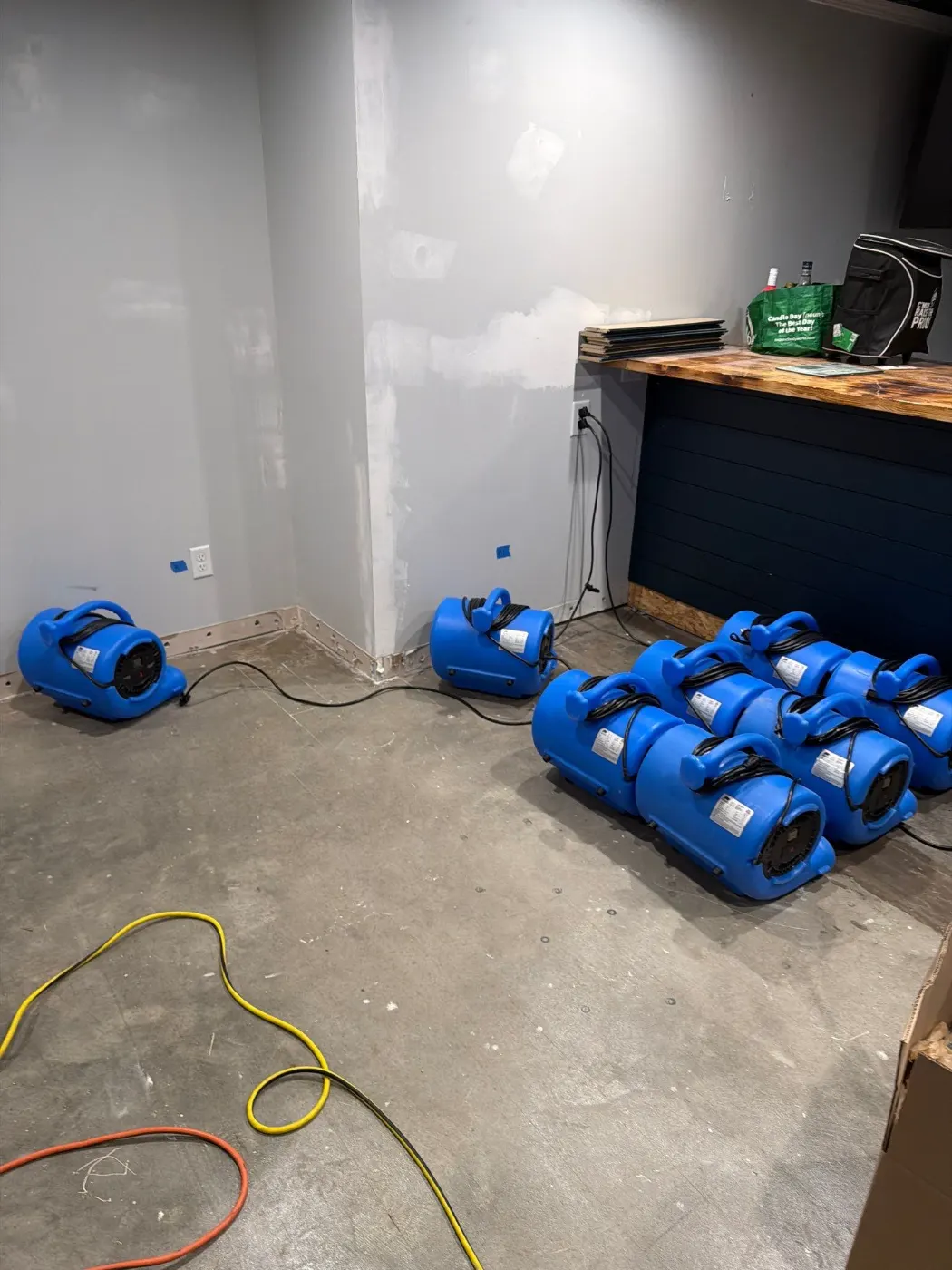
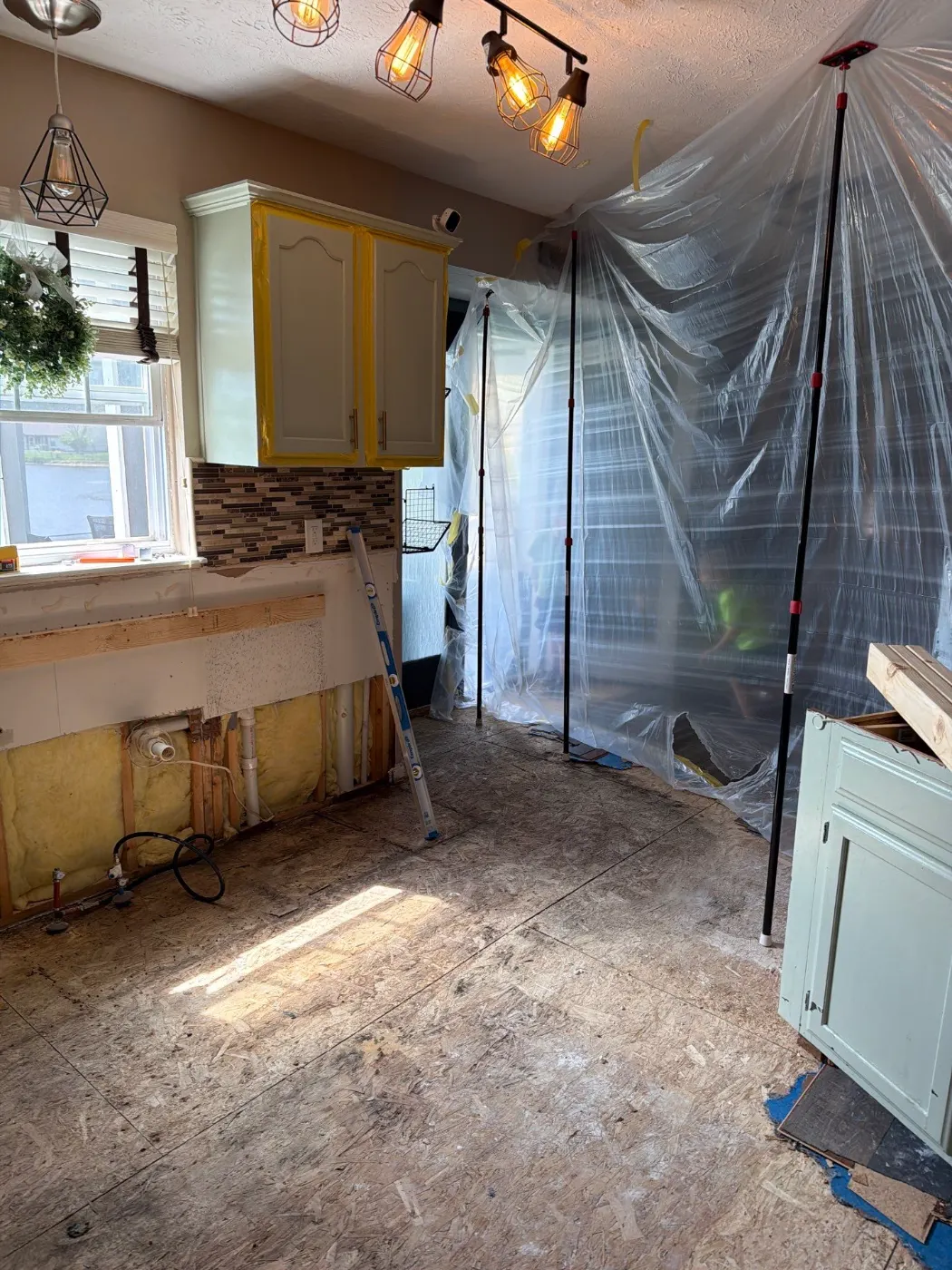
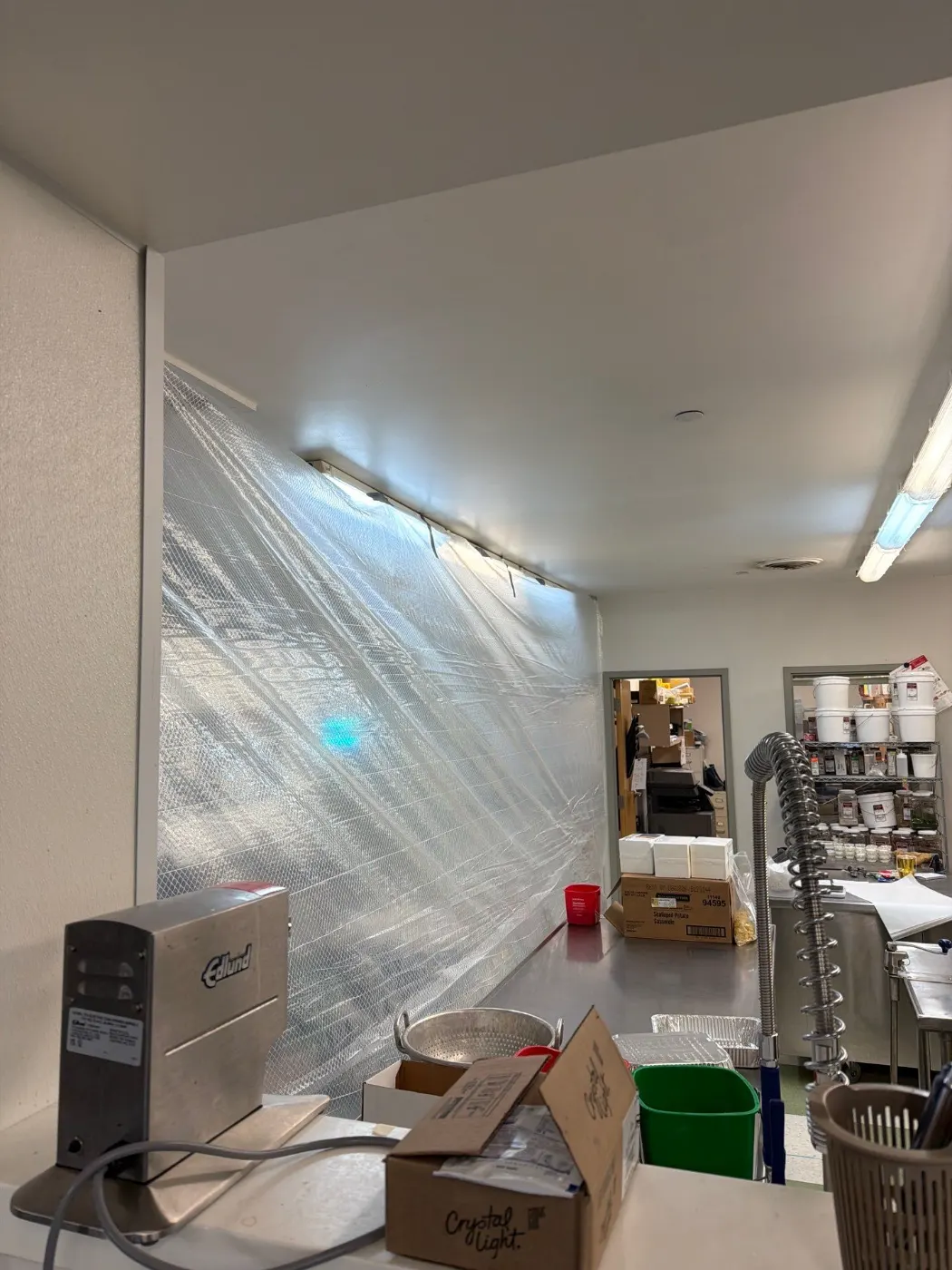
Photographs from real commercial water restoration jobs completed by our crew in Spring Hill and surrounding areas.
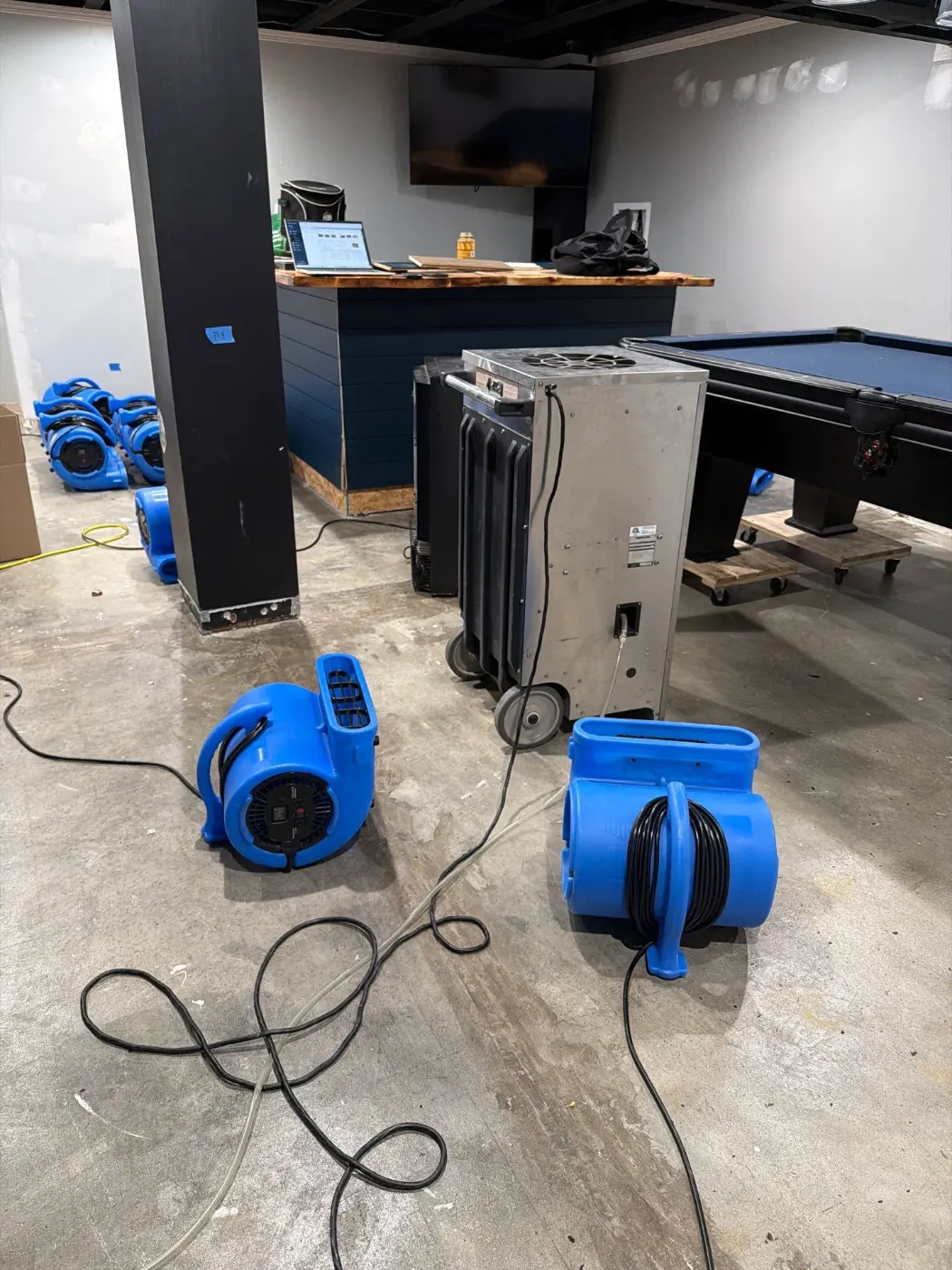
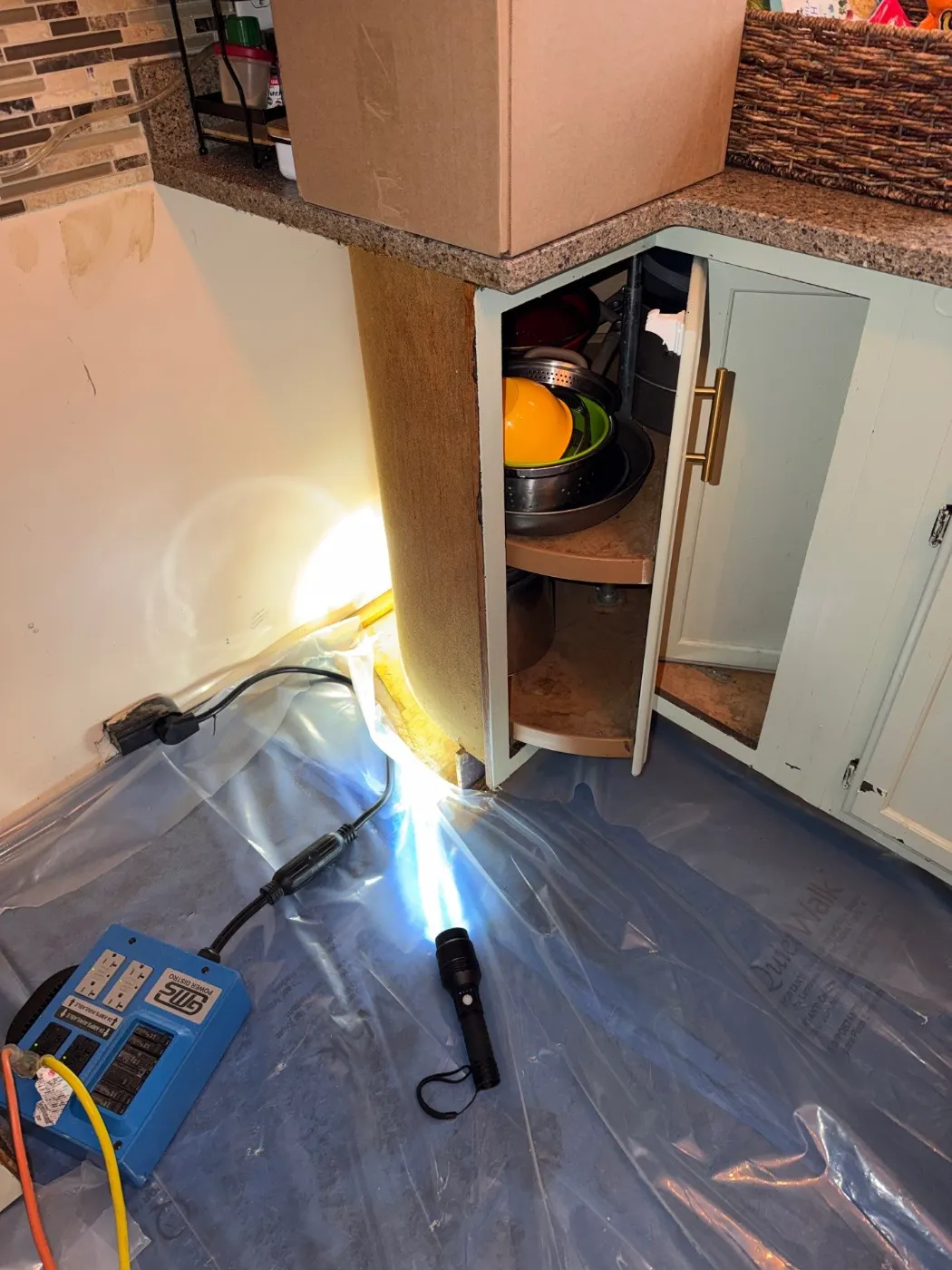
Commercial water mitigation in Spring HillAfter-hours dry-out at Spring Hill commercial propertyLarge-scale water extraction in Spring Hill business spaceDocumented commercial restoration in Spring Hill, IN
Common Questions

Commercial Water Restoration FAQ

Questions we hear most often from Spring Hill homeowners considering commercial water restoration.

Within 2 hours of your call, our licensed crew will be dispatched to your Spring Hill commercial property. We maintain coverage across Marion County specifically so that commercial properties in areas like the Michigan Road Corridor and the Wynnedale-Spring Hill border zone are not left waiting. When you call, we confirm your address, assess the nature of the loss over the phone, and begin loading the appropriate equipment before the call ends. There is no call center relay and no waiting for a callback window. Our team moves immediately because we understand that every hour without extraction expands the damage footprint in your building.
Commercial water restoration costs in Spring Hill depend on the category of water, the size of the affected area, and how much structural material requires removal. For a Category 1 clean water loss in a commercial setting, most jobs fall in the range of $3,000 - $9,000, which reflects the larger square footage and more complex building systems typical of commercial properties. Category 2 gray water losses in a commercial facility typically range from $6,000 - $16,000. Category 3 black water events involving sewage or flood water in a commercial building commonly range from $14,000 - $50,000 or more depending on scope. Your insurance carrier may cover most or all of these costs for sudden and accidental losses, and we coordinate with your adjuster to document the full scope accurately.
Most major insurance carriers cover commercial water damage that results from a sudden and accidental event, such as a burst pipe, sprinkler malfunction, or appliance failure. Gradual leaks that have been occurring over weeks or months are typically excluded, which is why fast reporting and professional documentation matter. We work with your insurance carrier from the first day of the loss to provide moisture reading records, photos, and scope documentation that supports your claim. We coordinate with your adjuster throughout the process so that nothing is missed and the approved scope matches the actual damage in your Spring Hill property. Your deductible applies, and we will walk you through your coverage picture before any work begins.
Yes, our team holds certification under the IICRC S500 Water Damage Restoration standard, which is the governing industry standard for how water damage is properly classified, documented, and mitigated. The IICRC S500 Water Damage Restoration standard defines the specific protocols for moisture mapping, equipment placement, drying calculations, and post drying verification that our licensed crew follows on every commercial job in Spring Hill. Certification means your project is not being handled by a general contractor guessing at drying times. It means every decision made on your property is backed by a nationally recognized methodology, which also carries weight when your insurance carrier reviews the claim documentation.
Drying timelines for commercial water restoration in Spring Hill depend on the category of water, the building materials affected, and how long the water was present before extraction began. Most Category 1 clean water losses in a commercial setting reach dry standard within 3 to 5 days. Category 2 gray water events typically require 5 to 7 days, especially when wall cavities or subfloor assemblies are involved. Category 3 black water losses with significant contamination and required material removal may take 7 - 14 days or longer before reconstruction can begin. Indiana's humidity levels, particularly during spring and early summer, can extend drying windows if ambient conditions are not controlled, which is why we size commercial dehumidifiers to the actual building volume rather than using a one size approach.
Our team handles all three categories of water damage in Spring Hill commercial properties. Category 1 involves clean water from a supply line, drinking water pipe, or similar sanitary source. This is the most straightforward category and carries the lowest contamination risk. Category 2 involves gray water, which may include discharge from dishwashers, washing machines, or HVAC condensate overflow and carries biological contaminants that require additional precautions. Category 3 involves black water, which includes sewage backups, toilet overflows carrying fecal matter, and floodwater from outside the building. Category 3 requires full containment, personal protective equipment, HEPA filtration, and removal of all porous materials that contacted the water. Each category has specific handling requirements under the IICRC S500 Water Damage Restoration standard, and our licensed crew is trained on all three.
Mold colonization can begin within 24 to 48 hours of a water event in the right temperature and humidity conditions, and Indiana's climate provides those conditions for much of the year. Commercial buildings in Spring Hill with finished interior walls, carpet, or suspended ceiling systems give mold spores plenty of porous material to establish on once moisture is present. Our team prioritizes extraction and commercial dehumidification specifically to reduce ambient moisture levels below the threshold where mold growth becomes viable. If mold is already visible when we arrive, we assess the extent and recommend a remediation scope before drying work begins. Preventing mold through fast mitigation is always less disruptive and less expensive than treating an established colony.
First, shut off the water source if it is safe and accessible to do so, and cut electrical power to any circuits in flooded areas to eliminate shock hazard. Second, do not allow building occupants to walk through standing water or enter rooms with sagging ceilings, as structural failure is possible. Third, begin photographing the damage on your phone before anything is moved or cleaned up, capturing the water source, affected rooms, and any visible material damage. Fourth, locate your insurance policy documents and any previous inspection reports for the building, as your adjuster will ask for those early in the claim process. Do not run residential fans or portable heaters in the affected area, as improper air movement can spread contamination and interfere with structural drying calculations.
Our licensed crew brings commercial water extraction equipment capable of pulling high volumes of standing water from flooring systems quickly, which is the first priority on any loss. We bring commercial dehumidifiers sized to the cubic footage of the affected area, which draw moisture out of building materials and maintain ambient humidity at levels that support structural drying. Professional air movers are placed in a calculated pattern to accelerate evaporation from wet surfaces and direct moisture toward the dehumidifiers. Thermal imaging cameras and moisture meters are used during both the initial inspection and daily monitoring to track drying progress and confirm when materials have reached acceptable moisture levels. When Category 3 contamination is present, HEPA filtration units are added to capture airborne particles during material removal.
Our team handles both mitigation and reconstruction, which matters significantly for commercial property managers in Spring Hill who cannot afford to manage two separate contractors on the same loss. Mitigation covers everything from initial extraction through structural drying and controlled demolition of unsalvageable material. Reconstruction covers the rebuild of what was removed, including drywall, flooring, ceiling systems, and any other structural components. Using the same licensed crew for both phases means the team performing reconstruction already knows exactly what was removed, how it was built, and what the insurance carrier approved in the original scope. There is no handoff gap, no scheduling conflict between trades, and no finger pointing if a question arises mid project.
Send a Message

Request Commercial Water Restoration

Contact Information

Reach Us Directly

Our team is available 24/7 for emergencies and ready to schedule inspections during business hours.

Hours
Available 24/7
Service Area
Spring Hill, IN and Surrounding Areas
License
RC21100059

Need Immediate Help?

For active water, fire, or mold emergencies, call us directly. We are available 24/7.

Call NowGet Quote