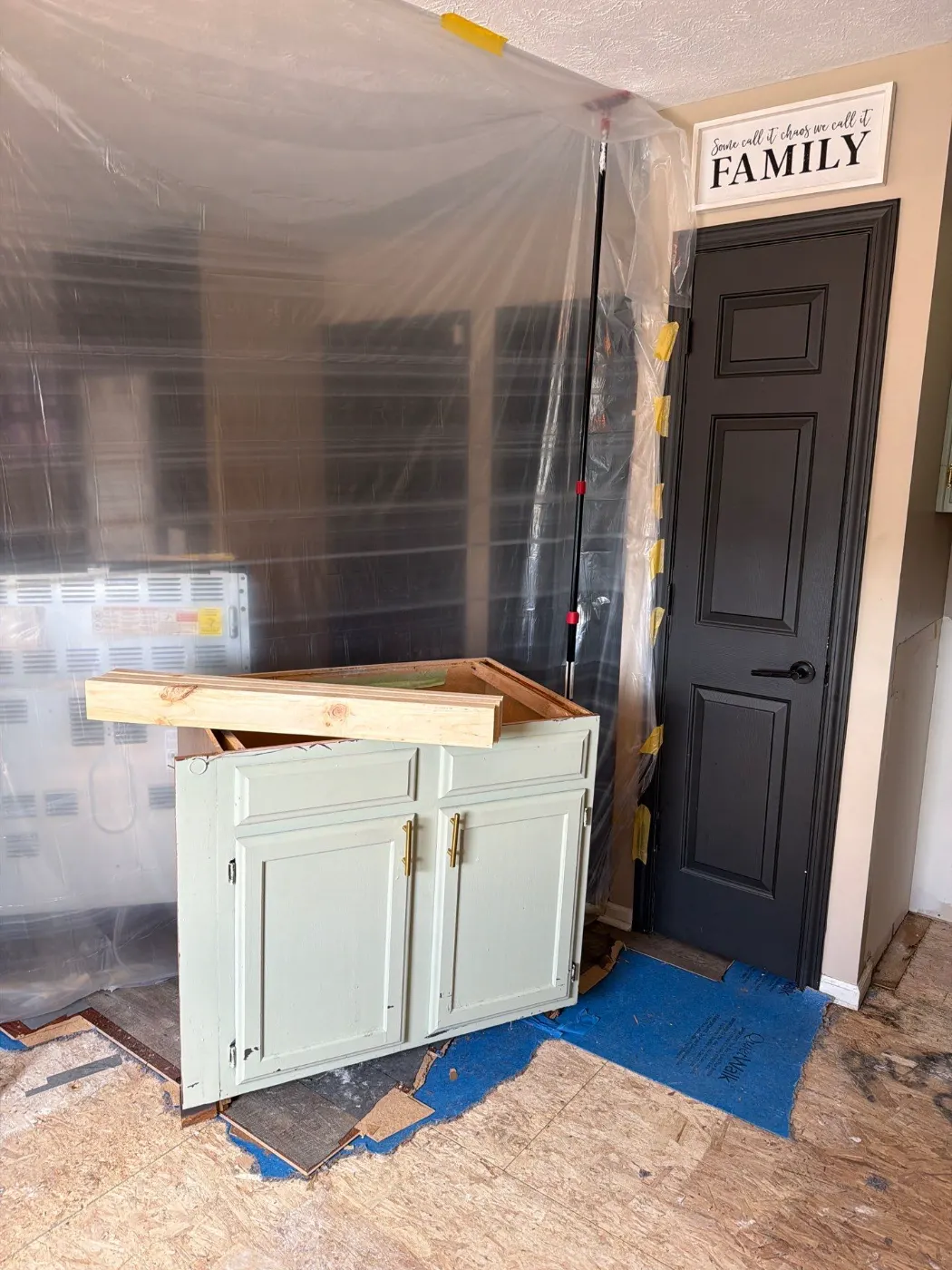
Mold Mitigation in Spring Hill, IN
Spring Hill's trusted mold mitigation team helping Marion County homeowners breathe easier and protect their homes.
Spring Hill Water Restoration provides mold mitigation in Spring Hill, IN. IICRC certified crews, scheduled assessment, written scope before work begins. We work with your insurance carrier on approved claims. Call (317) 676-4257 to schedule.
- Service: Mold Mitigation for Spring Hill homeowners
- Service area: Spring Hill, IN and surrounding areas
- Response time: Scheduled inspection, typically next business day or sooner
- Licensed and insured (License #RC21100059)
- Serving Spring Hill, IN since 2018
Expert Mold Mitigation for Spring Hill Homeowners
Mold growth inside a Spring Hill home is not just a cosmetic problem. Once mold takes hold behind drywall, inside a crawl space, or along a basement rim joist, it can compromise indoor air quality and begin breaking down structural materials like wood framing and subflooring. Indiana's humid summers and the freeze thaw cycles that push moisture through foundations every winter create exactly the kind of persistent dampness that mold thrives on. Our Team works with Spring Hill homeowners to address mold at its source, not just on the surface, so that the problem does not come back after the first warm stretch of spring weather returns.
Getting started with mold mitigation in Spring Hill is straightforward. Our Team schedules a free assessment, typically next business day or sooner depending on the nature of the underlying water event in your home. During that first visit, we take the time to understand when the moisture issue began, what parts of the home were affected, and whether any water source is still active. We use moisture meters to scan affected materials and HEPA filtration equipment is staged as needed before containment begins. Our goal at this stage is to give you a complete picture of what is happening inside your walls before any remediation work is proposed.
The inspection phase follows IICRC S520 Mold Remediation standards, which define how licensed crews assess, contain, and document mold conditions in residential structures. Our Team performs moisture mapping throughout the affected areas, recording readings across walls, ceilings, and flooring to identify the full extent of saturation. Thermal imaging allows us to detect hidden moisture pockets behind surfaces that look dry to the eye. Every reading is documented and used to build a scope of work grounded in what the materials actually show, not guesswork. Spring Hill homeowners receive a clear explanation of findings before any remediation begins, including which materials can be dried and which require controlled demolition.
Once the scope is confirmed, our licensed crew establishes containment barriers to isolate the work area from the rest of the home. Affected porous materials, such as drywall, insulation, and damaged wood, are carefully removed according to IICRC S520 Mold Remediation protocols. HEPA filtration units run continuously during this phase to capture airborne spores before they can migrate to clean areas of the home. Antimicrobial treatments are applied to structural surfaces after debris removal. Timing for the full remediation process varies based on the size of the affected area, the number of rooms involved, and whether materials like HVAC components or structural members require additional attention. Our Team keeps Spring Hill homeowners informed at every stage.
Mold mitigation that follows a documented water damage event is often a covered loss under homeowner's insurance policies. Most major insurance carriers distinguish between sudden and accidental water damage, which is typically covered, and long term gradual leaks, which often are not. Our Team works with your insurance carrier throughout the process and can coordinate directly with your adjuster to provide documentation of affected areas, moisture readings, and the remediation scope. Spring Hill homeowners should not have to navigate that process alone. We help organize the paperwork and photo documentation so your claim moves forward as smoothly as possible, though we want to be clear that coverage decisions rest with your insurance carrier and your specific policy terms.
If you have noticed a musty odor in your Spring Hill home, seen discoloration on walls or ceilings, or recently dealt with any type of water intrusion, the right move is to schedule an inspection before conditions worsen. Mold problems do not resolve on their own, and moisture that sits untreated creates larger remediation scopes over time. Our Team offers a free mold assessment with no obligation. Call us to set up your appointment, typically available next business day or sooner, and get a straight answer about what your home actually needs.
Signs You Need Mold Mitigation
If you notice any of these in your Spring Hill home, schedule a free inspection before the issue worsens.
A persistent musty odor in your Spring Hill basement that does not go away after airing out the space.
Visible dark spotting or fuzzy growth along drywall seams, window frames, or closet corners.
Discoloration on bathroom ceilings or walls that keeps returning even after surface cleaning.
Allergy like symptoms such as coughing or congestion that improve noticeably when you leave the house.
Bubbling or peeling paint on interior walls in a Spring Hill home, especially near plumbing walls.
Soft or spongy flooring near a bathroom, laundry room, or around a refrigerator water line.
Recent water intrusion through the foundation or crawl space during Indiana's spring rain season.
A history of slow plumbing leaks behind walls at a Knoll Condominiums unit that were not fully dried.
Water staining along the lower courses of drywall in Cold Spring Road Estate Properties with older drainage systems.
Condensation collecting regularly on interior surfaces of the Michigan Road Corridor East Edge of Spring Hill, especially in rooms with poor ventilation.
How Spring Hill Water Restoration Handles Mold Mitigation
Every job follows the same three-step process. Transparent, thorough, and done right the first time.
Free Mold Assessment
Our Team schedules a no obligation walkthrough of your Spring Hill home, typically next business day or sooner. We review the history of any water events, inspect visible mold growth, and discuss what a full assessment will involve. You leave this visit with a clear understanding of the problem and what comes next, before any work is authorized.
Moisture Mapping and Thermal Scan
Using moisture meters and thermal imaging, our licensed crew maps the full extent of moisture within affected walls, ceilings, and floors. This step follows IICRC S520 Mold Remediation guidelines and ensures we do not miss hidden saturation zones. Documentation from this phase drives the entire scope of remediation work for your Spring Hill home.
Containment and Material Removal
Plastic sheeting and negative air pressure barriers isolate the work area from the rest of your home. Affected porous materials such as drywall and insulation are removed using controlled demolition techniques. HEPA filtration units run throughout this phase, capturing airborne mold spores and protecting the unaffected areas of your home during active remediation.
Surface Treatment and Drying
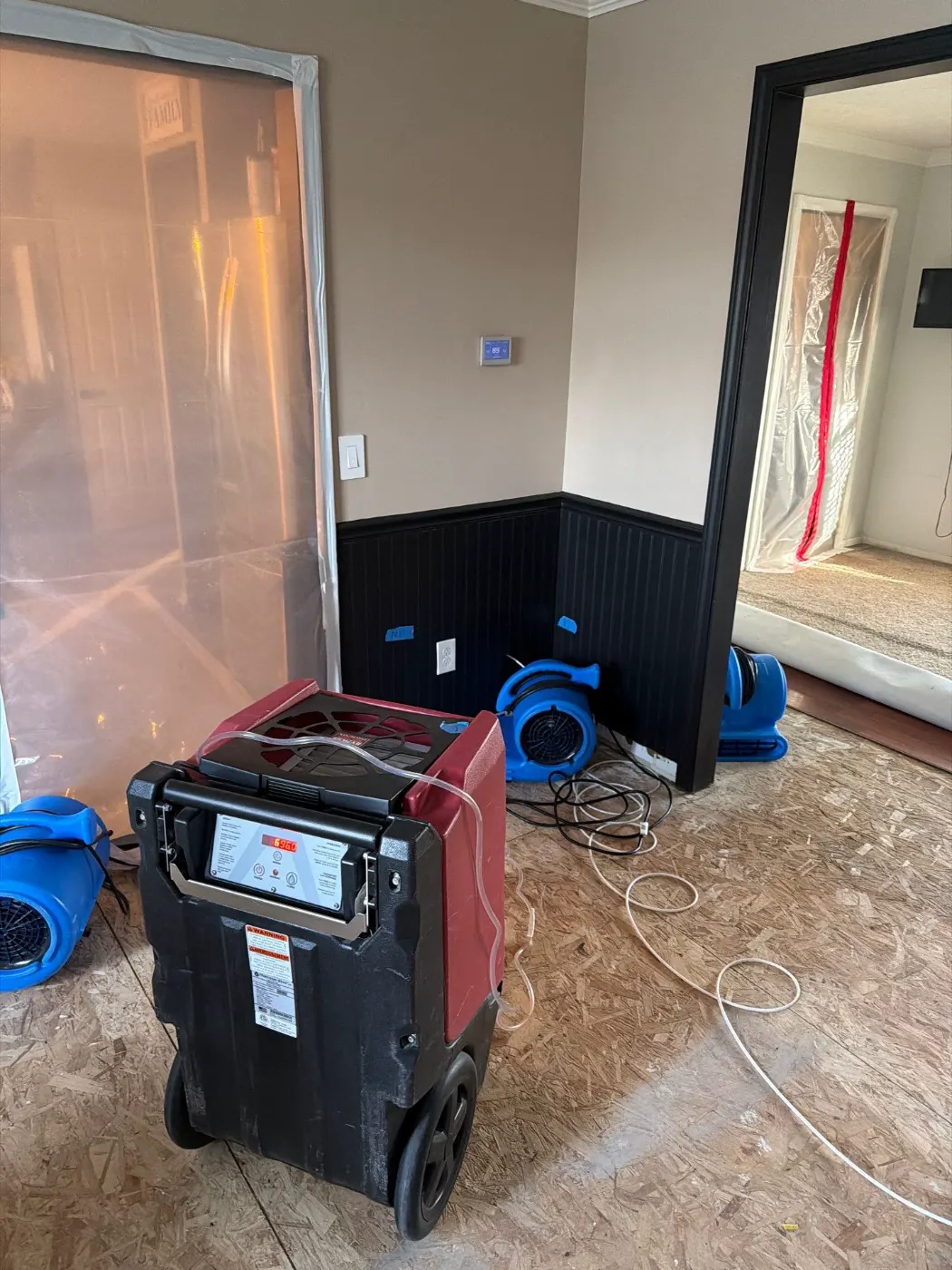
After material removal, structural surfaces are treated with professional grade antimicrobials to address residual mold at the source. Commercial dehumidifiers and professional air movers are positioned based on structural drying calculations to bring framing and subfloor materials to acceptable moisture levels. Post drying verification confirms conditions are safe before any reconstruction begins.
Final Clearance and Documentation
Once remediation is complete, our team performs a post drying verification using moisture meters to confirm all affected materials have reached acceptable readings. Spring Hill homeowners receive documentation of before and after conditions, which supports any open insurance claim. We review the findings with you directly so there are no unanswered questions when the project closes.
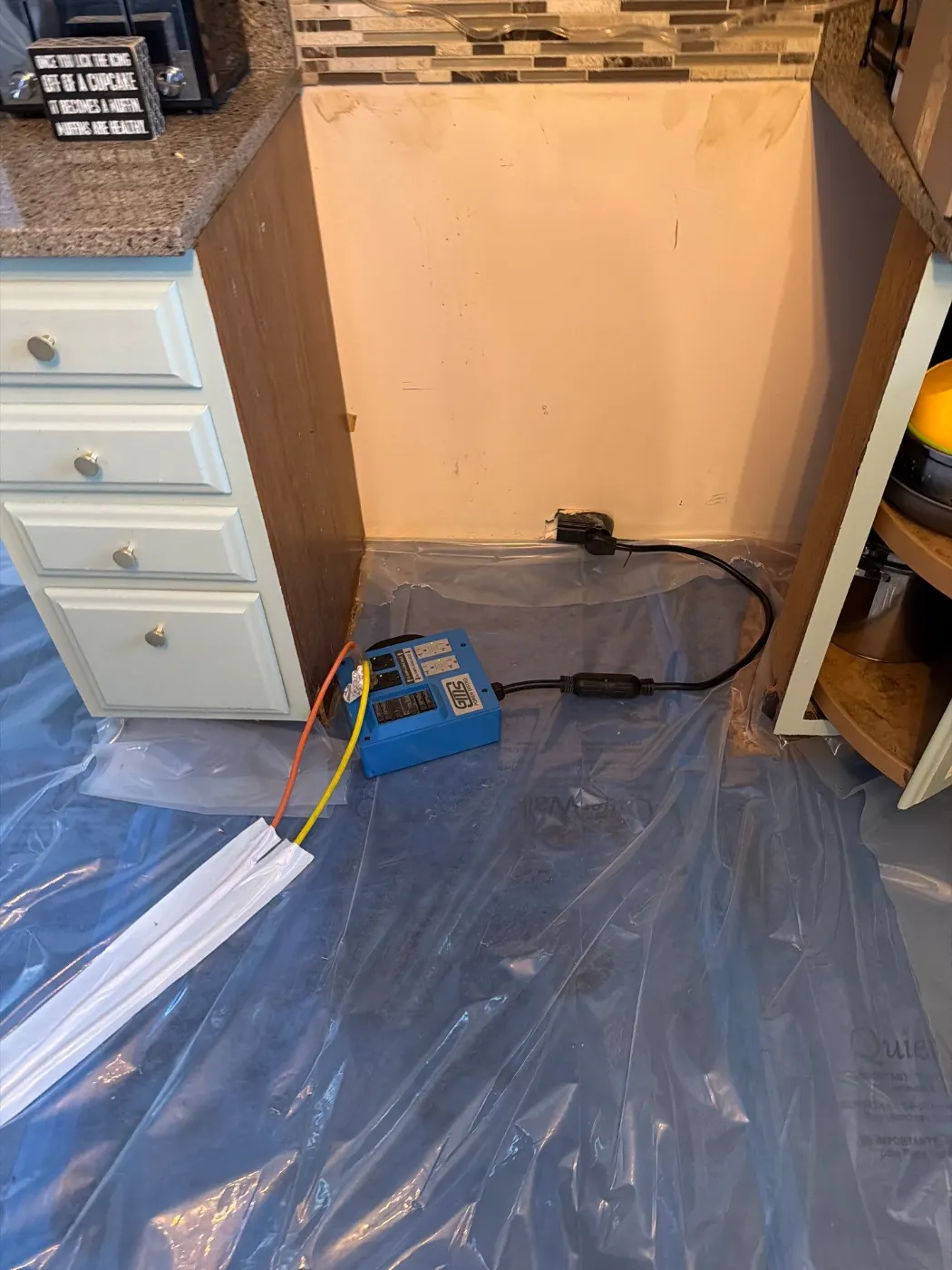
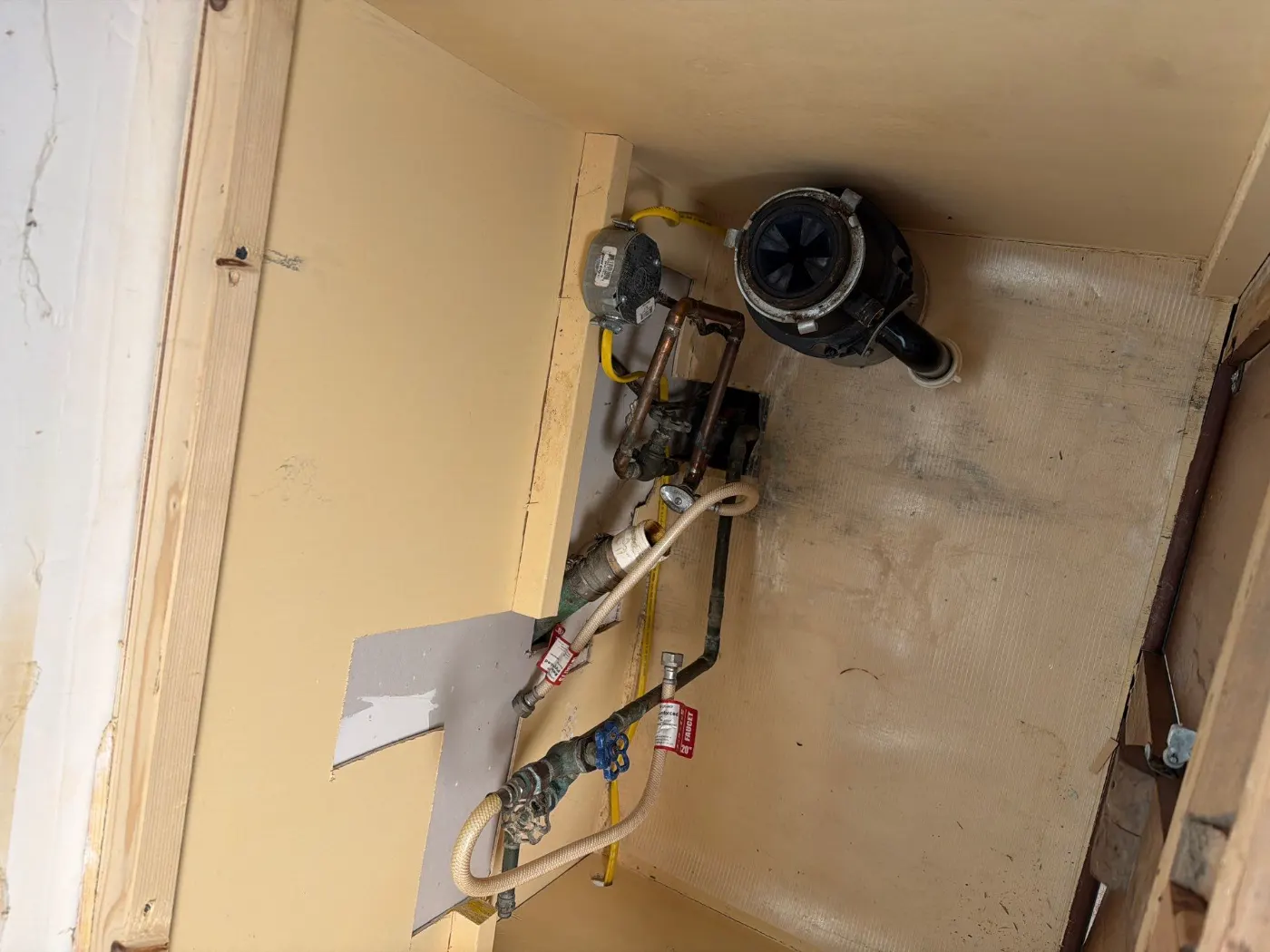
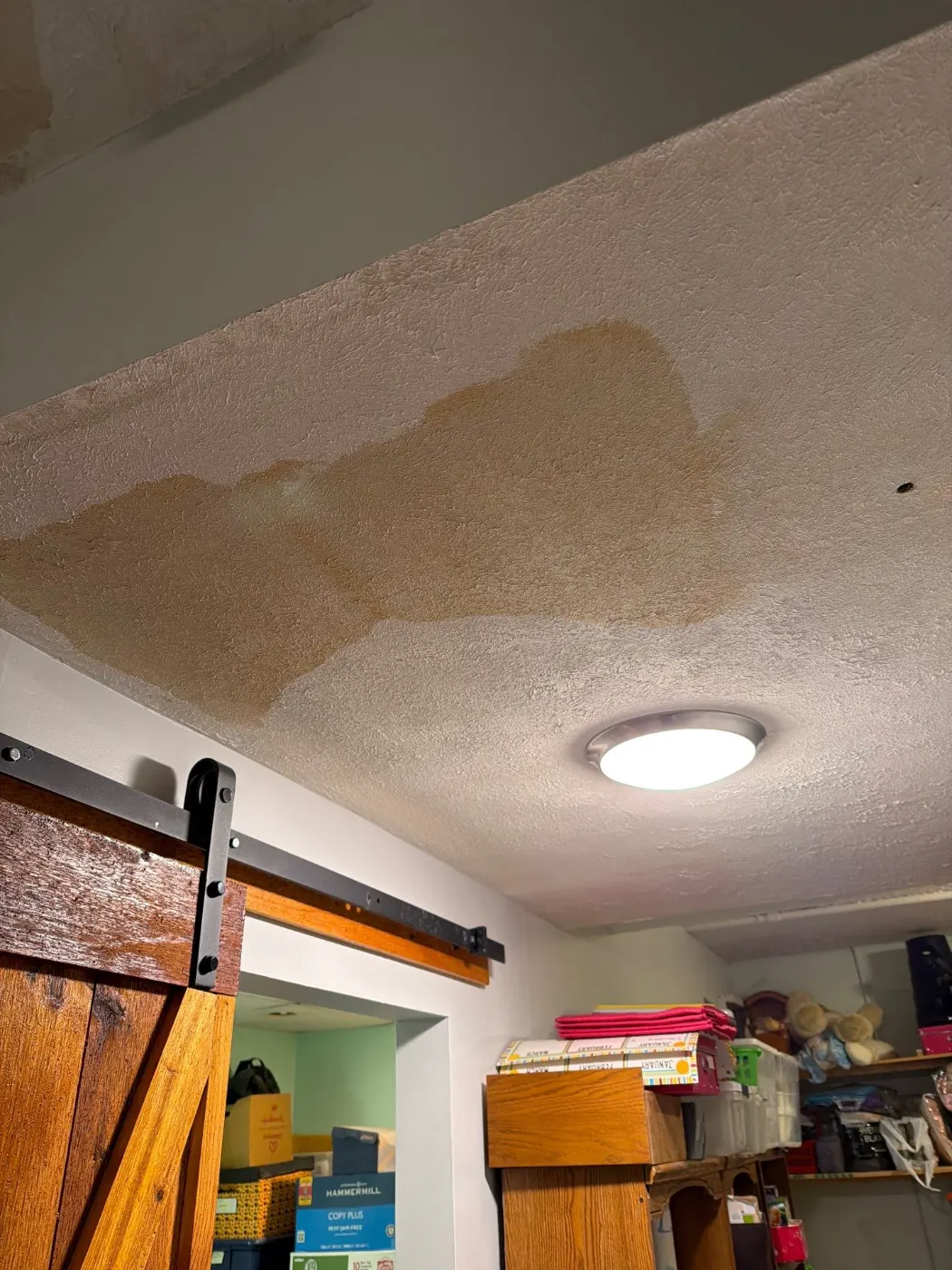
Mold Mitigation in Spring Hill
Photographs from real mold mitigation jobs completed by our crew in Spring Hill and surrounding areas.
Mold Mitigation FAQ
Questions we hear most often from Spring Hill homeowners considering mold mitigation.
Other Restoration Services in Spring Hill
Spring Hill Water Restoration handles the full scope of restoration work. Explore our other services below.
Water Damage Restoration in Spring Hill
24/7 emergency response. IICRC certified water restoration from extraction to full dry out.
Learn more →Basement Flooding in Spring Hill
Basement water emergencies handled fast. Extraction, drying, mold prevention.
Learn more →Sewage Cleanup in Spring Hill
Category 3 biohazard cleanup. Full containment, decontamination, structural restoration.
Learn more →Request Mold Mitigation
Reach Us Directly
Our team is available 24/7 for emergencies and ready to schedule inspections during business hours.
Need Immediate Help?
For active water, fire, or mold emergencies, call us directly. We are available 24/7.