Basement Flooding in Spring Hill, IN
Spring Hill's Trusted Basement Flooding Response Team Arriving Within 2 Hours of Your Call
Spring Hill Water Restoration provides basement flooding in Spring Hill, IN. 24/7 emergency response with IICRC-certified crews. Most claims are covered by homeowner's insurance and we work with your insurance carrier on approved claims. Call (317) 676-4257 for immediate dispatch.
- Service: Basement Flooding for Spring Hill homeowners
- Service area: Spring Hill, IN and surrounding areas
- Response time: Within 2 hours response for Spring Hill inquiries
- Licensed and insured (License #RC21100059)
- Serving Spring Hill, IN since 2018
Expert Basement Flooding for Spring Hill Homeowners
When a basement floods in Spring Hill, the clock starts running the moment water touches your floor. Indiana's spring saturation cycles and White River basin runoff push groundwater against foundation walls hard and fast, and what looks like a manageable puddle at 8 AM can become a Category 2 contamination event by noon. Standing water wicks into framing, insulation, drywall, and stored belongings faster than most homeowners expect. Mold colonizes within 24 to 48 hours in a warm, wet basement, and insurance carriers expect prompt mitigation to protect your claim. Every hour without extraction expands the damage and raises the cost. If your basement is flooding right now, stop reading and call us first.
Our Team serves Spring Hill and the surrounding Marion County area with a firm commitment to arrival within 2 hours of your call. We do not stage equipment in a distant warehouse and drive over when convenient. Licensed crew members load commercial water extraction equipment and commercial dehumidifiers before leaving and arrive ready to begin work, not ready to begin planning. When we pull up to your address in Spring Hill, whether you are near the Knoll Condominiums or along the Michigan Road Corridor on the east edge of town, our crew is already suited, briefed on your situation from the intake call, and prepared to pull water before a second assessment even begins.
Before a single piece of extraction equipment starts, our licensed crew conducts a full moisture mapping inspection of your basement and the floors above it. Using thermal imaging cameras and calibrated moisture meters, we identify water migration paths that are invisible to the naked eye. Wet insulation behind a finished wall, saturated subfloor beneath carpet, and wicking in rim joists all get documented in a written scope that follows IICRC S500 Water Damage Restoration standards. This documentation matters for your insurance carrier and for ensuring we dry what actually needs drying, not just what looks wet. Spring Hill homes with finished basements often have hidden cavities where water pools undetected for days.
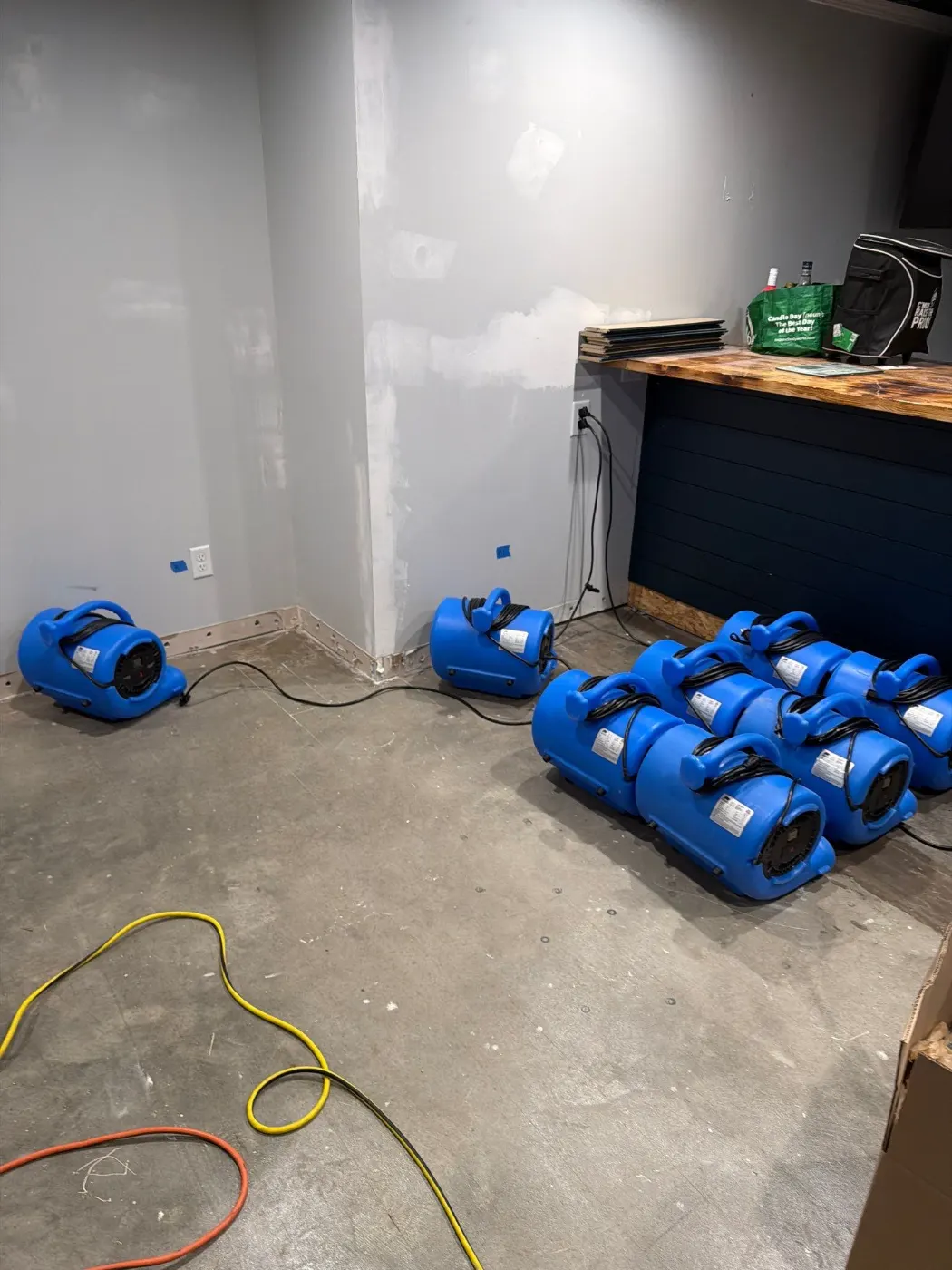
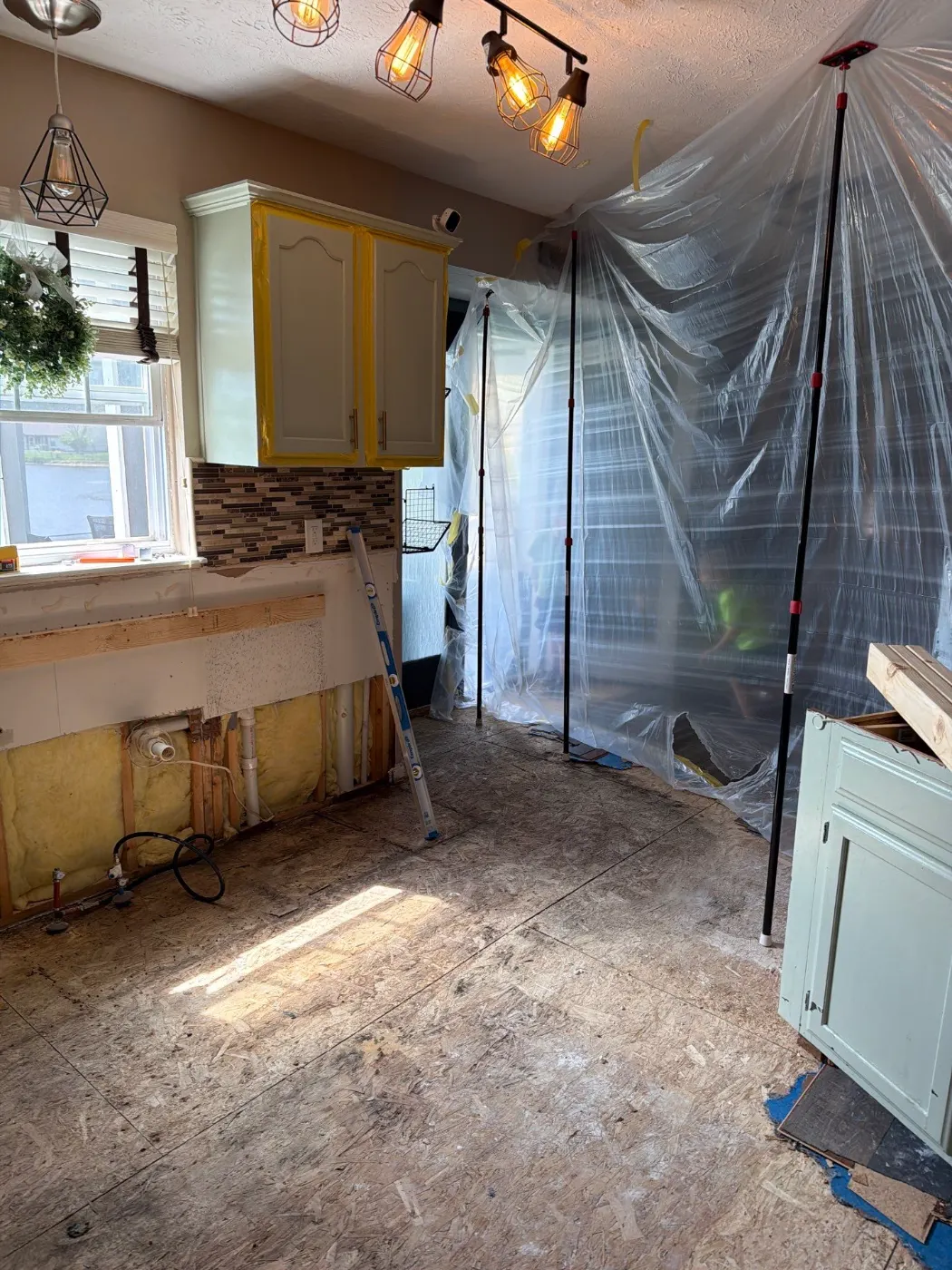
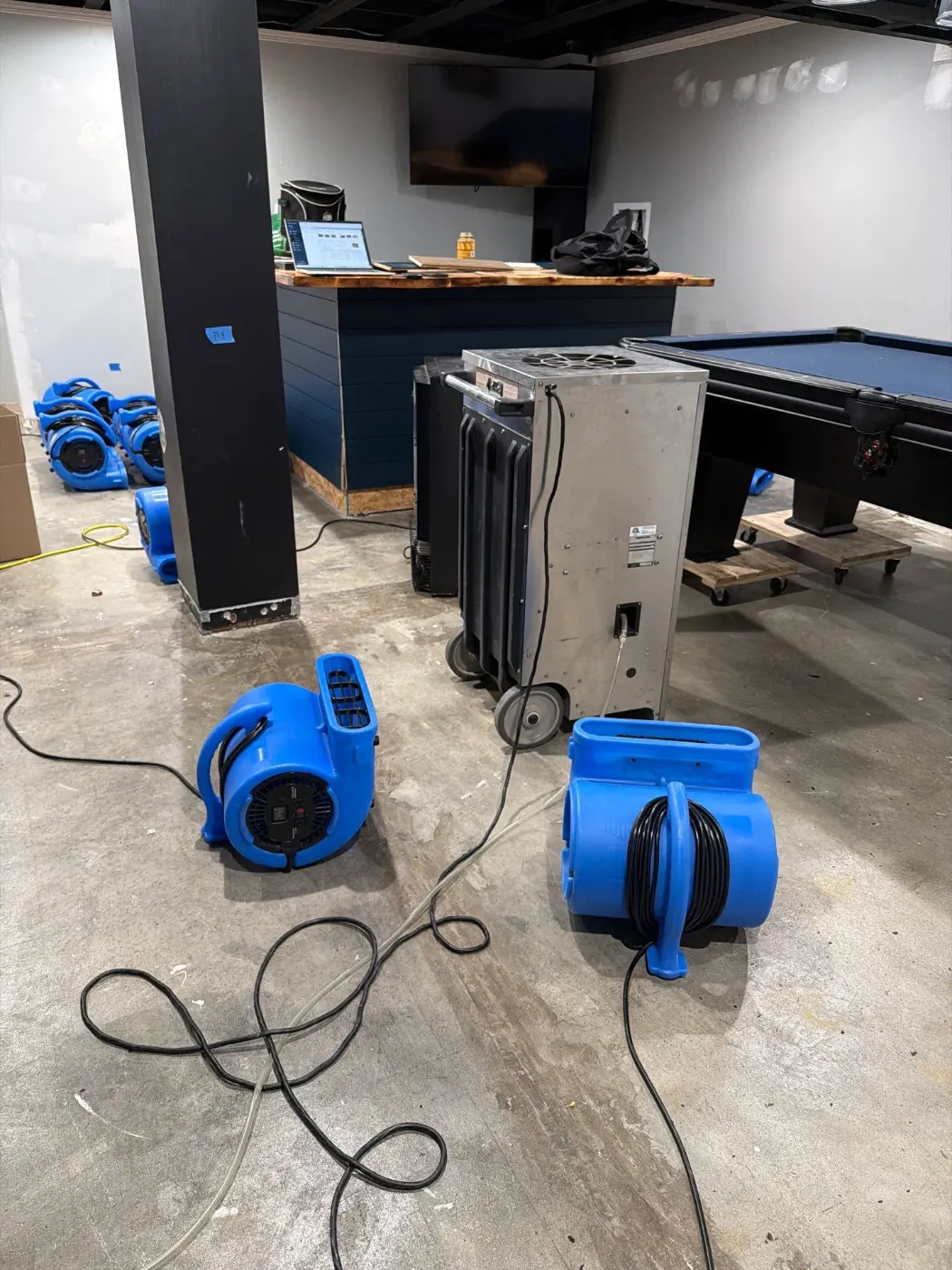
Extraction comes first. Commercial water extraction equipment removes bulk standing water in the first visit, then we establish a structural drying calculation based on the square footage, material types, and measured moisture content in your Spring Hill basement. Professional air movers and commercial dehumidifiers run continuously, typically for 3 - 5 days on Category 1 clean water losses. Each day, our crew returns to re read moisture meters and adjust equipment placement based on drying progress. If controlled demolition of wet drywall or saturated flooring is necessary to hit dry standard, we communicate that clearly before cutting. You are never surprised by damage our crew creates. Post drying verification closes the job only when readings confirm the structure has returned to acceptable moisture levels.
Dealing with insurance after a basement flood is stressful, and our team helps Spring Hill homeowners navigate that process from the first call. We work with your insurance carrier and coordinate with your adjuster directly, providing the written scope, moisture mapping data, and equipment logs they need to process your claim accurately. Most major insurance carriers cover sudden basement flooding caused by burst pipes, appliance failures, and certain storm events, though gradual seepage from long term foundation issues is frequently excluded. We will be straightforward with you about what your policy is likely to cover before work begins. Marion County homeowners should document the flooding with photos before we arrive to strengthen the claim. We do not file claims on your behalf, but we make sure your adjuster has everything they need.
If you are standing in a wet basement in Spring Hill right now, the best decision you can make in the next 60 seconds is to call our team. Free inspections with no obligation to hire. We arrive within 2 hours, assess the full scope of water intrusion, and begin extraction the same visit if you choose to move forward. We work with your insurance carrier to protect your claim and your home. Do not wait to see if the water recedes on its own. In Spring Hill's clay heavy soil and high water table conditions, it typically will not. Call now and get licensed crew on the way.
Signs You Need Basement Flooding
If you notice any of these in your Spring Hill home, schedule a free inspection before the issue worsens.
Water pooling on your basement floor after heavy spring rains or White River basin saturation events in Spring Hill.
A white chalky residue on basement walls indicating long term slab seepage and mineral deposits from Indiana groundwater.
Your sump pump is running continuously or has overflowed during a Marion County storm system.
Visible water stains along the base of finished basement walls near the Cold Spring Road Estate Properties area.
A sudden sewage or musty odor in your basement suggesting gray or black water intrusion has already begun.
Buckled or soft laminate flooring in your basement that compresses when you walk on it after recent rainfall.
Basement windows showing active seepage or condensation pooling on the sill and running down the foundation wall.
Your Spring Hill home's water heater or HVAC unit is sitting in standing water or shows rust at the base.
Drywall at the base of finished basement walls feels soft, sounds hollow, or shows visible discoloration spreading upward.
You have returned to your Spring Hill home after travel and discovered water that has been standing for an unknown period.
How Spring Hill Water Restoration Handles Basement Flooding
Every job follows the same three-step process. Transparent, thorough, and done right the first time.
Dispatch and Site Arrival
The moment you call, our licensed crew is dispatched and on the way to your Spring Hill address within 2 hours. You receive a call from the crew lead during transit so you know exactly when to expect arrival. Equipment is loaded and ready before departure, meaning no time is lost gathering gear on your property. When we arrive, we assess site safety including electrical hazards before entering the flooded area.
Moisture Mapping and Inspection
Our crew uses thermal imaging cameras and calibrated moisture meters to map every affected surface in your basement and the structure above it. This moisture mapping documents the true extent of water migration, including hidden saturation inside walls, under flooring, and in ceiling assemblies. All findings follow IICRC S500 Water Damage Restoration standards and are recorded in a written scope used by both our crew and your insurance adjuster.
Water Extraction and Removal
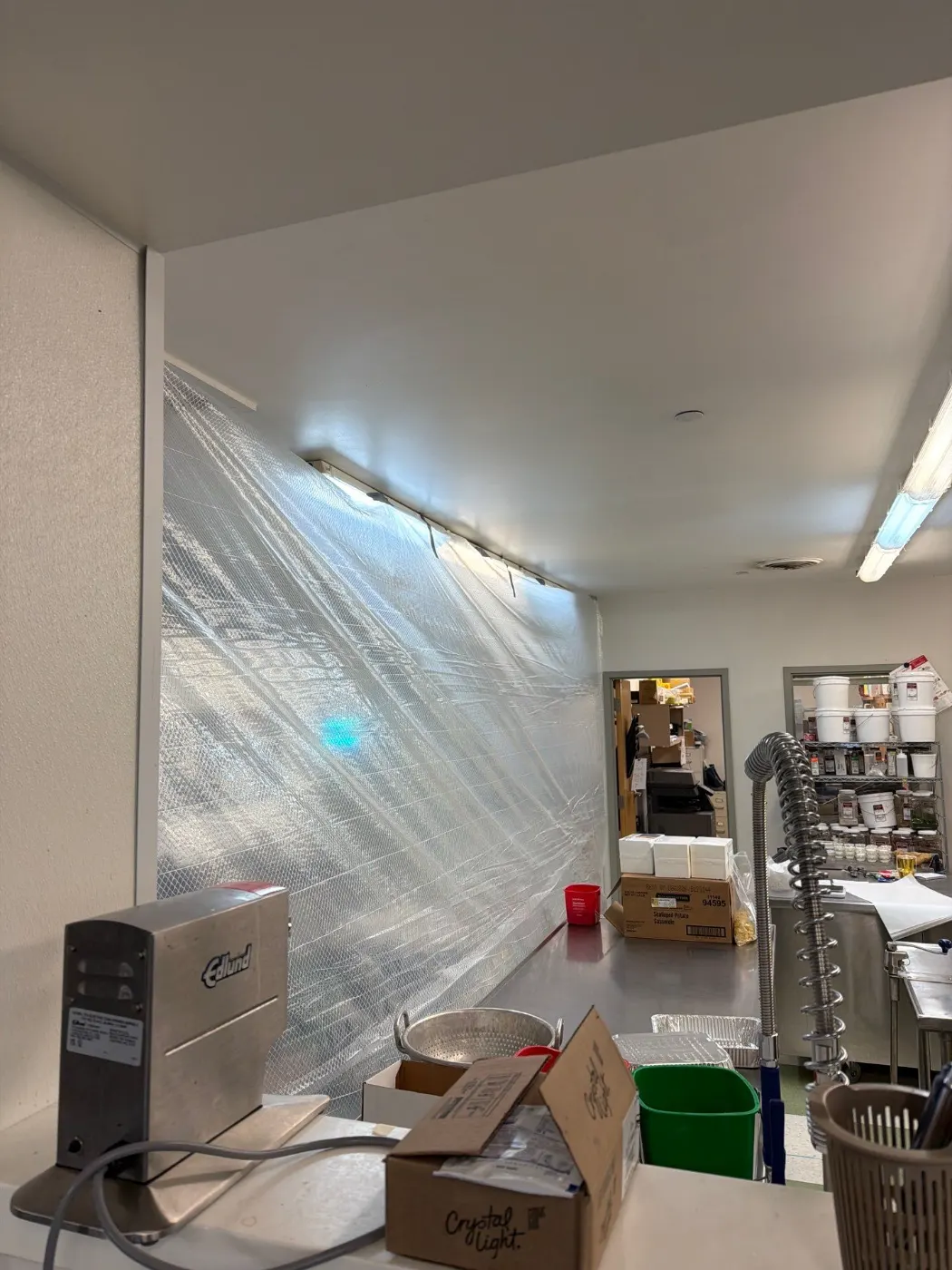
Commercial water extraction equipment removes standing water during the first visit. This step is critical because bulk water left in place accelerates structural damage and dramatically shortens the window before mold colonization begins. For Category 2 or Category 3 losses involving gray or black water, our licensed crew follows containment protocols to prevent cross contamination to unaffected areas of your Spring Hill home. Extraction typically completes in the first 1 - 3 hours depending on volume.
Structural Drying and Monitoring
Professional air movers and commercial dehumidifiers are positioned using structural drying calculations based on your basement's specific dimensions and material types. Our crew returns daily to re read moisture meters and adjust equipment placement for maximum drying efficiency. If controlled demolition of saturated drywall or flooring is required to reach enclosed cavities, we communicate that recommendation clearly and document everything. Most Category 1 jobs in Spring Hill complete structural drying within 3 - 5 days.
Post Drying Verification and Closeout
Before any equipment is removed, our crew conducts a final post drying verification using moisture meters across all previously affected surfaces. Readings must confirm the structure has returned to acceptable dry standard before the job closes. This final documentation is provided to you and is available for your insurance carrier. Our team reviews the completed scope with you and answers any questions before leaving your Spring Hill property.
Basement Flooding in Spring Hill
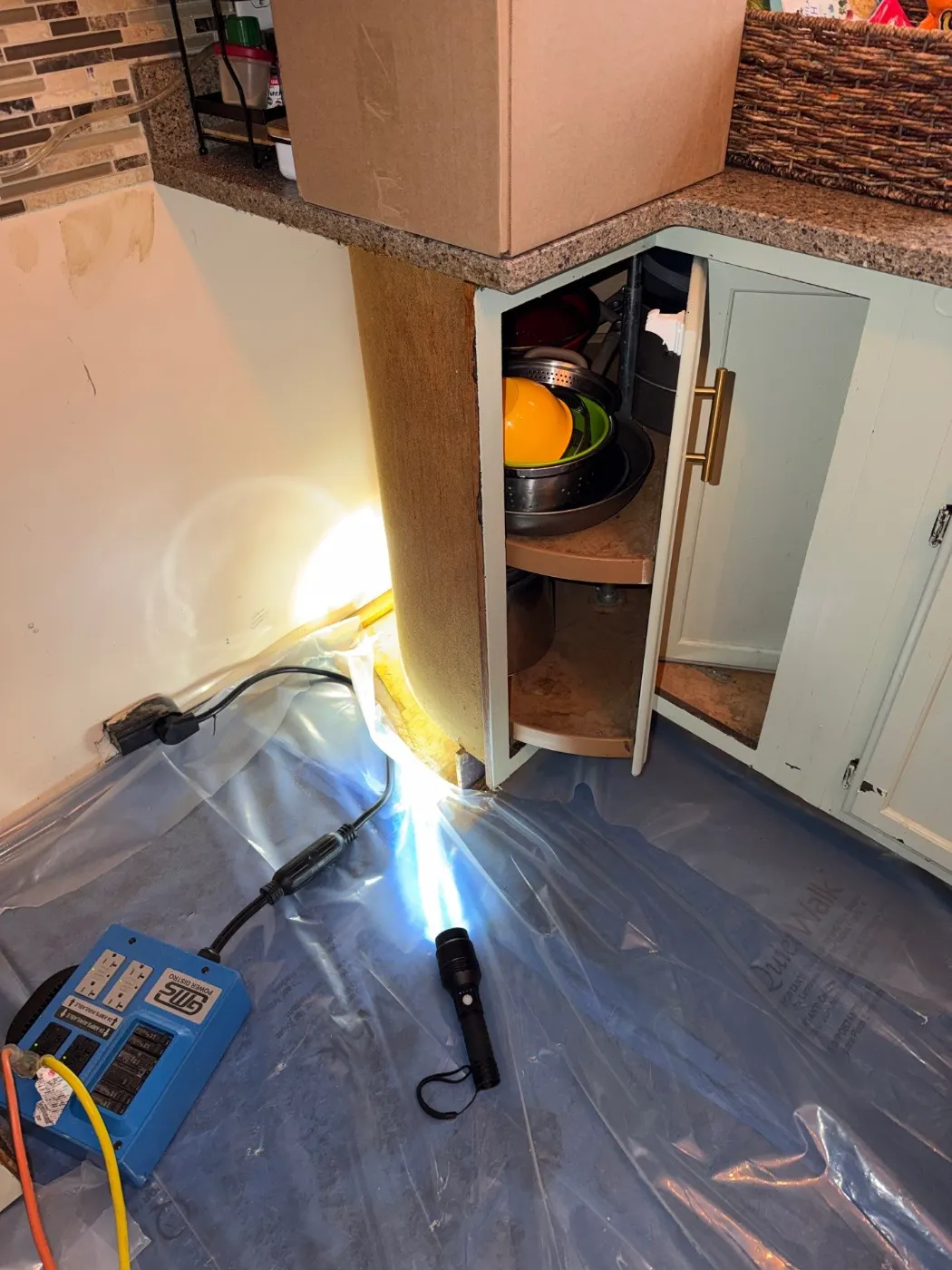
Photographs from real basement flooding jobs completed by our crew in Spring Hill and surrounding areas.
Basement Flooding FAQ
Questions we hear most often from Spring Hill homeowners considering basement flooding.
Other Restoration Services in Spring Hill
Spring Hill Water Restoration handles the full scope of restoration work. Explore our other services below.
Water Damage Restoration in Spring Hill
24/7 emergency response. IICRC certified water restoration from extraction to full dry out.
Learn more →Sewage Cleanup in Spring Hill
Category 3 biohazard cleanup. Full containment, decontamination, structural restoration.
Learn more →Storm Damage in Spring Hill
Storm related water emergencies. Tarping, extraction, drying, and full restoration.
Learn more →Request Basement Flooding
Reach Us Directly
Our team is available 24/7 for emergencies and ready to schedule inspections during business hours.
Need Immediate Help?
For active water, fire, or mold emergencies, call us directly. We are available 24/7.