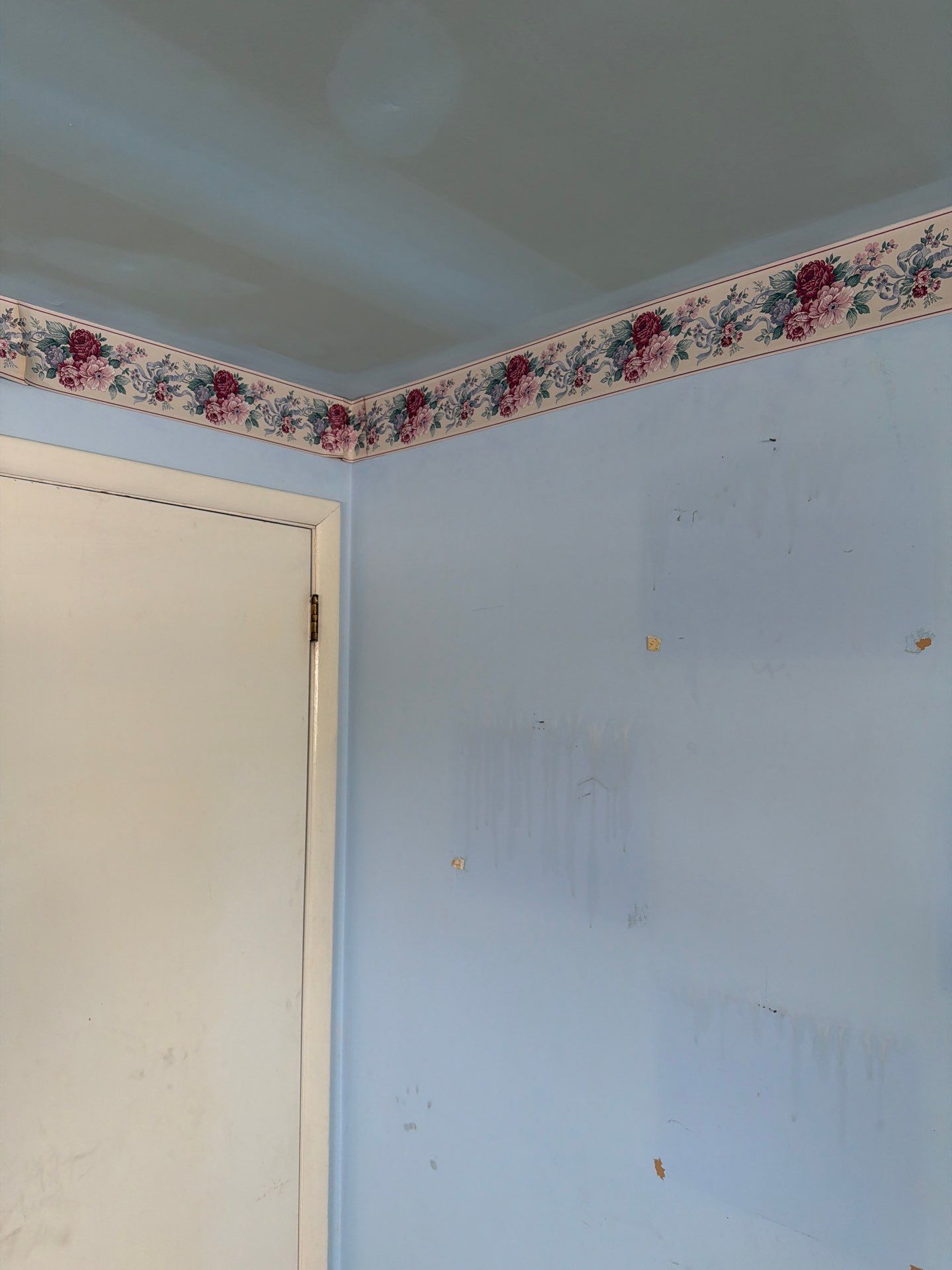
Problem: The Leak Is Too Small to Hear
Most slow leaks release between a few drops and a steady trickle per minute. That is not enough water to pool, run, or show up on a water bill in any obvious way. It is, however, more than enough to saturate drywall paper, soak insulation, and feed the kind of mold colonies that take hold within 48 to 72 hours of continuous moisture. By the time you see staining, the active leak has often been running for weeks. In some Spring Hill homes we have inspected, the leak had been active for several months before any visible cue appeared, and the only reason it was caught was a neighbor noticing a soft spot in a shared wall.
Solution: Use Moisture Meters and Thermal Imaging
You cannot fix what you cannot find. We map suspected areas with pin and pinless moisture meters, then confirm with thermal cameras that read temperature differentials behind finished surfaces. Wet drywall reads colder than dry drywall, and a hidden plume around a pipe penetration shows up clearly. For a deeper look at this process, our guide to moisture mapping with thermal imaging walks through what those scans actually reveal. Spring Hill Water Restoration technicians arrive with calibrated equipment, in most cases within 2 hours of your call, so the investigation starts before more material gets saturated.
Problem: The Same Leak Comes Back
Repairs that address symptoms without correcting the original failure tend to fail again within a year. A reseated toilet that still rocks, a patched supply line at the same fitting, or a shower pan repaired without removing the surrounding tile all set up the next call.
Solution: Remediate Under S520 Protocols
Our crews follow IICRC S520 standards for mold remediation, which means containment, HEPA filtration, controlled demolition of unsalvageable materials, and post remediation verification. We do not spray bleach on a wall and call it done. If the affected area is small and contained, we say so. If it crosses the threshold where a third party clearance test is appropriate, we say that too. Honest scoping protects you from paying for work you do not need and from accepting work that falls short of what the conditions require.
Problem: Damage Spreads Through Materials You Cannot See
Water follows gravity and capillary action. A leak under a second floor bathroom can travel along a joist, drop down a wall cavity, and pool on a first floor ceiling six feet from where it started. Subfloor delamination, rotted sill plates, and corroded fasteners all happen out of sight. Drywall typically needs replacement after 3 to 7 days of continuous moisture, carpet pad after 2 to 5 days, OSB subfloor after 2 to 4 weeks, and framing lumber after 6 to 12 weeks. Those windows shrink in humid Spring Hill summers and stretch slightly in dry winter months, but the pattern holds.
Solution: Scope the Damage Before You Scope the Repair
A proper assessment determines which materials can be dried in place and which must come out. We document moisture readings in each affected cavity, photograph conditions, and write a scope that your insurance adjuster can actually use. That documentation matters: it is the difference between a claim that gets paid and one that gets contested. We also flag adjacent materials that are still dry but at risk, so the drying plan accounts for migration rather than chasing moisture room by room.
Problem: Insurance Coverage Is Confusing for Slow Leaks
Most policies cover sudden and accidental water damage but exclude long term seepage, often defined as anything occurring over 14 days or more. That language puts hidden leaks in a gray zone. Two homes with nearly identical damage can see very different claim outcomes based on how the cause and timeline are documented in the first 48 hours after discovery.
Problem: Mold Has a Head Start
By the time hidden leaks are discovered, mold growth is almost always part of the picture. Drywall paper, wood framing, and dust on insulation all feed colonies. Air quality in the home suffers before any visible black or green growth appears. Occupants sometimes report headaches, scratchy throats, or worsening allergy symptoms weeks before the leak is identified, and those symptoms often improve quickly once the source is removed and the cavity is dried.
Solution: Verify the Fix With a Second Moisture Reading
Spring Hill Water Restoration returns after the repair to confirm cavities have dried to baseline and that no new moisture has appeared. That follow up reading, taken several days after the work is complete, is the simplest way to know the problem is actually solved.
Problem: Cosmetic Signs Get Dismissed
Homeowners often repaint a ceiling stain or replace a baseboard without investigating the source. The visible damage is the tail end of a much longer chain. Common signs we see in Spring Hill homes include:
- A faint musty smell that comes and goes, especially after running the HVAC.
- Paint that bubbles, cracks, or peels in a single spot.
- Baseboards that pull away from the wall or show dark staining at the bottom edge.
- Warped hardwood planks or tile grout that suddenly cracks.
- An unexplained jump in your water bill of 10 to 25 percent.
Solution: Document Everything and Call Early
The sooner you report and document, the stronger your claim. Save photos, keep the damaged materials we remove until the adjuster signs off, and request a written scope of work. Our team can coordinate directly with your adjuster to clarify cause, timeline, and necessary repairs.
Solution: Investigate the Source, Not Just the Stain
When you spot any of those signs, the cosmetic fix can wait. The first call should be to identify where the water is coming from. We trace moisture back to its origin, whether that is a pinhole in a copper line, a failing wax ring under a toilet, a cracked shower pan, or a slow drip at an ice maker connection. Our post on signs of hidden water damage covers what to look for room by room. Skipping this step is the most expensive mistake we see. Repainting over a stain that returns three months later usually means the framing behind it has been wet the entire time.